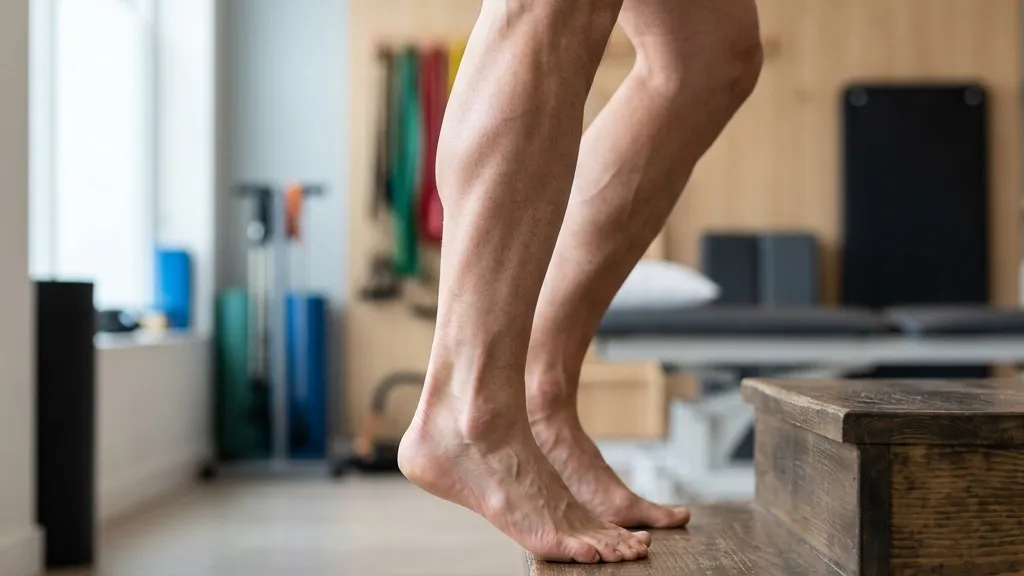
Retrolisthesis: What the Imaging Finding Means for Rehabilitation
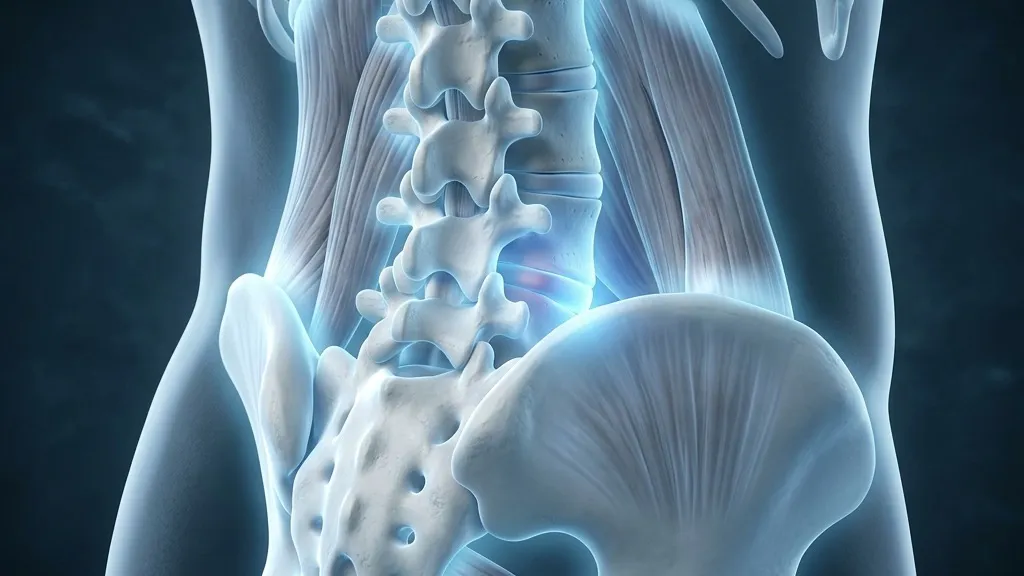
Retrolisthesis describes one vertebra sitting slightly behind the vertebra below it on an image. It is a radiological description, not a complete explanation of pain and not, by itself, a rehabilitation prescription.
Editorial correction, 16 September 2026: We removed claims that extension is inherently dangerous and that everyone with retrolisthesis needs a flexion-biased programme. Exercise direction should follow an assessment, symptoms and functional goals—not the label alone.
What an imaging report can and cannot tell you
An X-ray or scan can describe alignment and other structural findings. It cannot independently establish which finding is causing pain, how irritable the condition is, or which movement will help. Clinicians interpret imaging in the context of the history, neurological symptoms, physical examination and changes over time.
NICE guidance for low back pain and sciatica advises against routine imaging in a non-specialist setting. Imaging may be considered in a specialist setting when the result is likely to change management. That principle helps avoid treating an incidental image instead of the person’s actual problem.
Assessment comes before exercise direction
Some people feel better with one direction of movement and worse with another; others respond to a broader programme of activity and strengthening. A clinician may explore repeated movement, walking, lifting, sitting tolerance, strength and neurological signs. The response helps shape the plan, but it should not be converted into a universal rule for everyone with the same imaging word.
General low-back guidance encourages self-management, continuing normal activity where possible and exercise selected around the person’s needs and capabilities. It does not support a single mandatory exercise type for all presentations.
What rehabilitation may address
- Activity tolerance: gradually rebuilding walking, work, household or sporting tasks.
- Strength and capacity: training the trunk and lower limbs rather than trying to “lock” vertebrae in place.
- Movement confidence: reducing unnecessary fear while respecting movements that currently aggravate symptoms.
- Load management: adjusting volume, recovery and task demands instead of relying on posture alone.
The exact exercises, range and resistance should be individualised. An article cannot screen bone health, recent trauma, inflammatory disease, nerve involvement or other factors that may alter advice.
Symptoms that need prompt assessment
Seek urgent medical care for new bladder or bowel changes, numbness around the saddle area, rapidly worsening weakness, or severe symptoms after significant trauma. Arrange clinical assessment for persistent pain accompanied by unexplained weight loss, fever, a history of cancer, or other concerning systemic symptoms.
Useful questions for an appointment
- Does the imaging finding match my symptoms and examination?
- Would any further investigation change the plan?
- Which activities can I continue, and how should I progress them?
- What changes would mean I should stop and seek reassessment?
Bottom line
Retrolisthesis should not be treated as a verdict that the spine is unstable or that one movement direction is forbidden. Use the imaging as one part of the clinical picture and build a rehabilitation plan around symptoms, function, preferences and response.
Sources and limitations
NICE NG59 recommendations for low back pain and sciatica and NICE information on exercise and physical activity. NICE NG59 covers low back pain and sciatica broadly; it does not provide a retrolisthesis-specific exercise protocol. That limitation is why this page avoids prescribing one.
Medical Disclaimer
The information provided by AyurPhysio is for general educational and informational purposes only. It is not intended as a substitute for professional medical advice, diagnosis, or treatment. Always seek the advice of your physician or other qualified health providers with any questions you may have regarding a medical condition. Never disregard professional medical advice or delay in seeking it because of something you have read on this website.
Trending Guides
How to Read a Health-Product Review Without Being Misled
4 min readOne in Six Older Adults Faced Delayed Home Rehabilitation After Joint Replacement
3 min readCan Group Knee-Osteoarthritis Care Work by Video? A Small Trial Offers a Cautious Yes
3 min readBlended Digital Physiotherapy Was Not Better for Neck and Shoulder Pain in a 2026 Trial
3 min readPressure-Wave Therapy After Rotator-Cuff Repair: What a Small 2026 Trial Adds
3 min readWeekly Wellness
Don't miss the next guide
Get holistic health tips and new guides delivered to your inbox.
Related Healing Guides
View All Guides →
ACL Tear Rehabilitation: Decisions, Milestones and Return to Activity