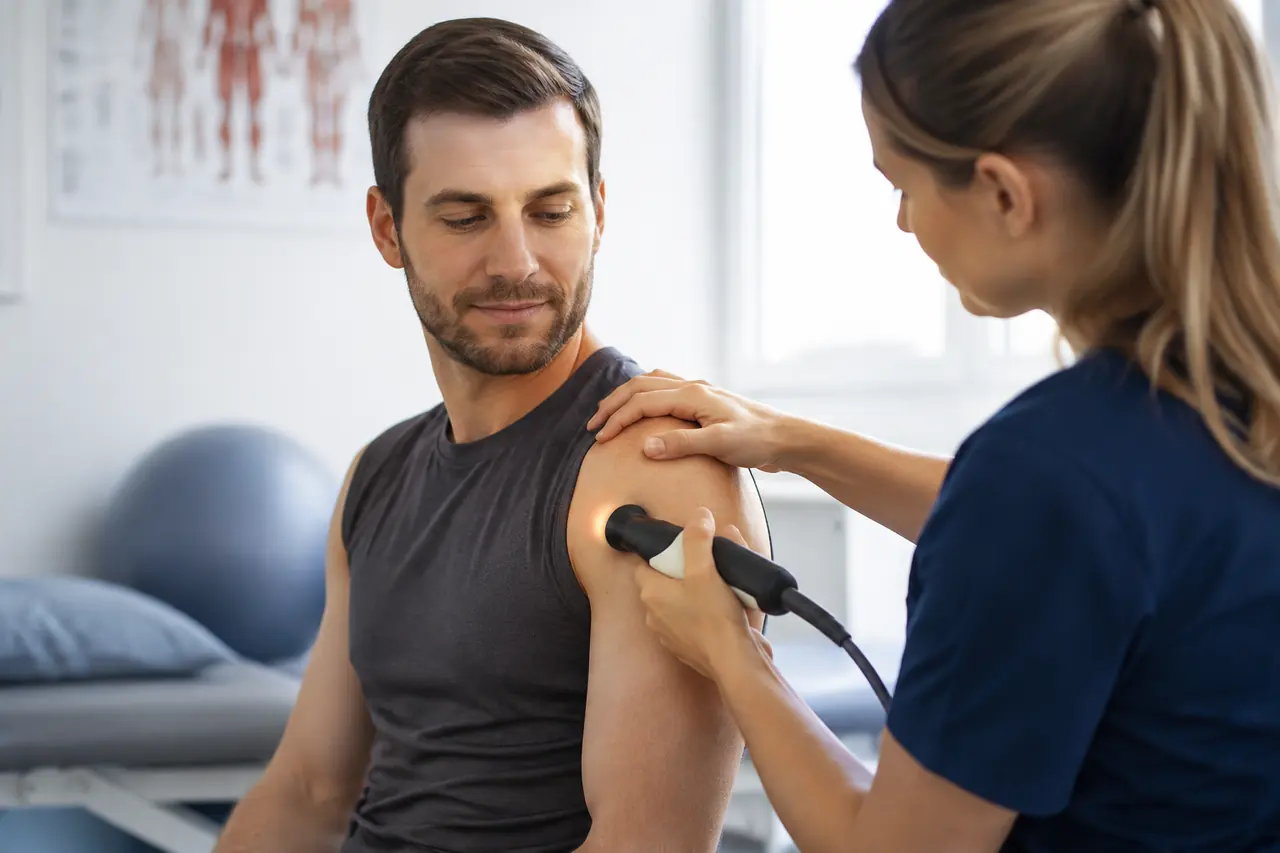
A randomized trial in the September 2026 issue of the American Journal of Physical Medicine & Rehabilitation reports that adding radial pressure-wave therapy to a standardized rehabilitation programme improved several outcomes after arthroscopic rotator-cuff repair. It is an interesting signal, not a do-it-yourself treatment plan.
How the study was designed
The researchers enrolled adults three months after surgery for a full-thickness rotator-cuff tear. Thirty-six received active medium-high-energy radial pressure-wave therapy twice weekly for four weeks, and 36 received sham treatment. Both groups also completed conventional rehabilitation five times per week.
Outcomes included a visual pain scale, the Constant-Murley shoulder score, grip strength and range of motion. Both groups improved over time. The active-treatment group had lower pain scores and higher functional and grip-strength scores at follow-up; range of motion was reported as better at six months.
What the result does—and does not—show
Because both groups received a substantial rehabilitation programme, the study examined the value of pressure-wave therapy as an addition, not as a replacement for postoperative rehabilitation. It also does not tell us that the treatment is suitable immediately after surgery, for every repair, or for shoulder pain without a repaired tear.
The sample was limited to 72 people. The abstract reports statistical differences but does not provide enough information on this page to judge every outcome’s clinical importance, adherence, blinding success or applicability across surgical techniques. Replication in larger and more diverse groups would improve confidence.
Why postoperative timing matters
Rehabilitation after tendon repair is deliberately staged. Surgical findings, tissue quality, fixation, associated procedures and the surgeon’s precautions can change what is appropriate at a particular week. A device-based intervention used in a trial at three months should not be moved earlier or copied without the treating team’s approval.
The useful clinical question is not simply “does pressure-wave therapy work?” It is “for which patients, at what stage, alongside which rehabilitation programme, and with what meaningful benefit?” This trial begins to answer that narrower question.
What patients can ask their care team
- What phase of tendon healing am I in, and what are my current restrictions?
- Would an adjunct change the core rehabilitation plan or only supplement it?
- Which outcomes would we track: pain, movement, strength or daily function?
- What adverse effects or reasons to avoid the treatment apply in my case?
Our guide to shoulder movement and scapular-humeral rhythm provides general anatomy context, but postoperative progression must remain individualized.
Source
This article summarizes one study and is not postoperative guidance or a recommendation to use a medical device.
Medical Disclaimer
The information provided by AyurPhysio is for general educational and informational purposes only. It is not intended as a substitute for professional medical advice, diagnosis, or treatment. Always seek the advice of your physician or other qualified health providers with any questions you may have regarding a medical condition. Never disregard professional medical advice or delay in seeking it because of something you have read on this website.
Trending Guides
How to Read a Health-Product Review Without Being Misled
4 min readOne in Six Older Adults Faced Delayed Home Rehabilitation After Joint Replacement
3 min readCan Group Knee-Osteoarthritis Care Work by Video? A Small Trial Offers a Cautious Yes
3 min readBlended Digital Physiotherapy Was Not Better for Neck and Shoulder Pain in a 2026 Trial
3 min readPressure-Wave Therapy After Rotator-Cuff Repair: What a Small 2026 Trial Adds
3 min readWeekly Wellness
Don't miss the next guide
Get holistic health tips and new guides delivered to your inbox.
Related Healing Guides
View All Guides →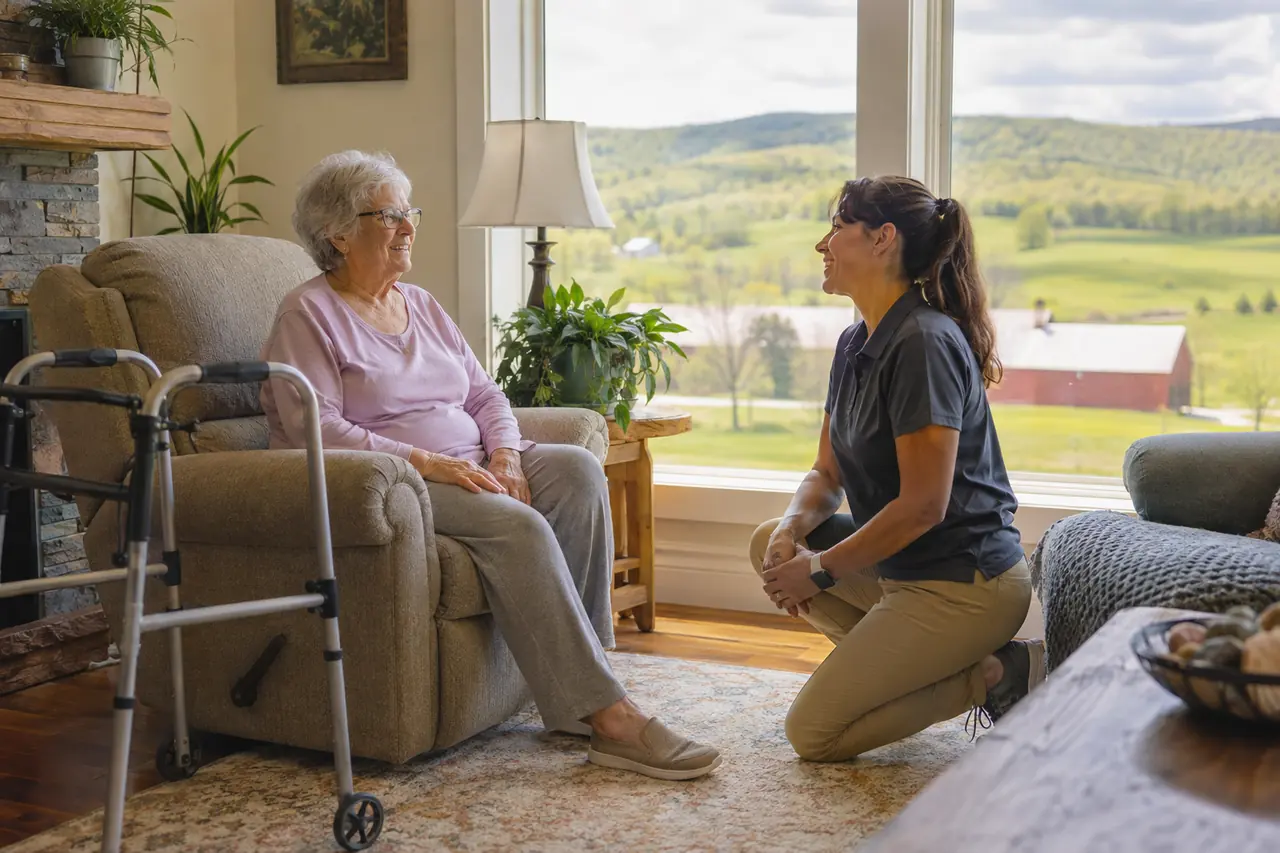
One in Six Older Adults Faced Delayed Home Rehabilitation After Joint Replacement
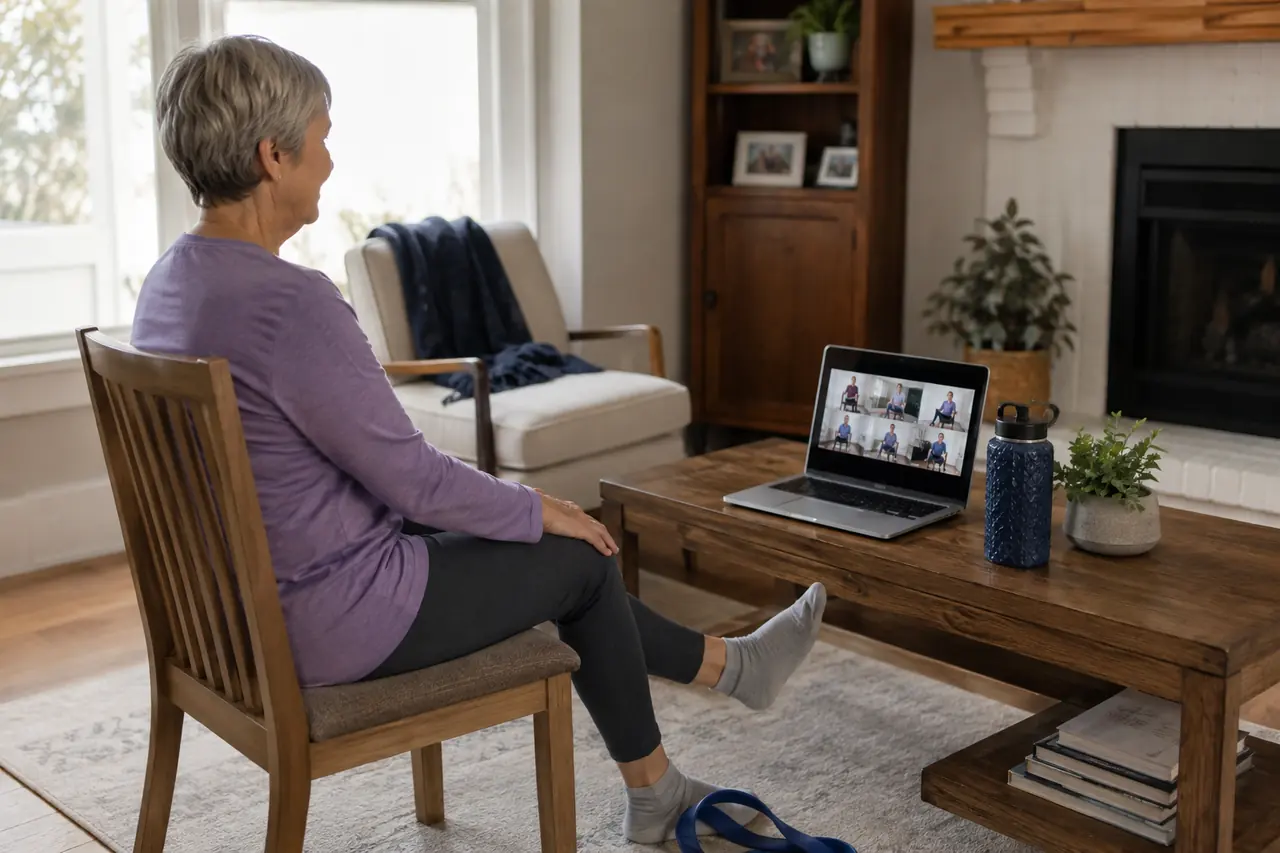
Can Group Knee-Osteoarthritis Care Work by Video? A Small Trial Offers a Cautious Yes