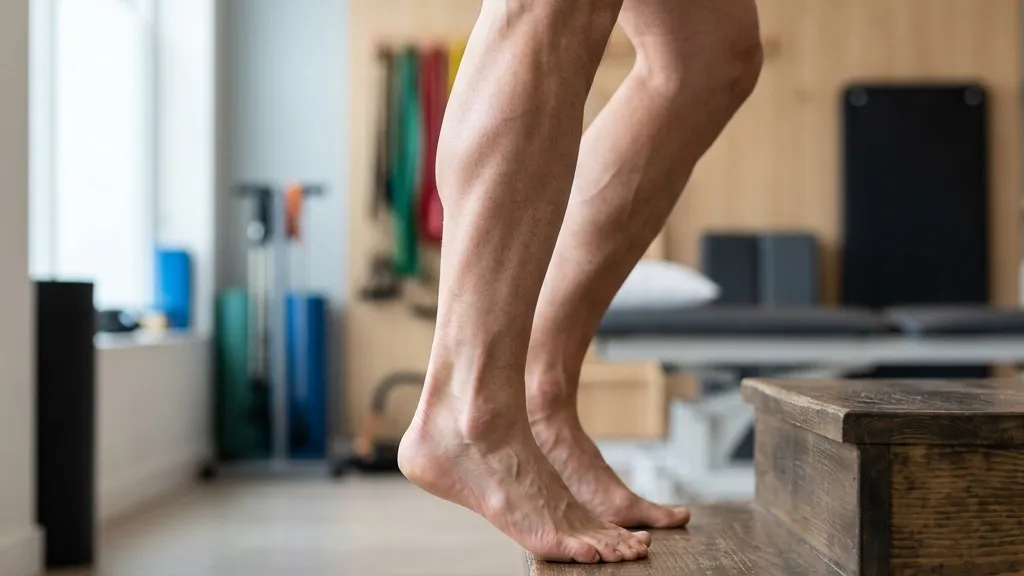
ACL Tear Rehabilitation: Decisions, Milestones and Return to Activity
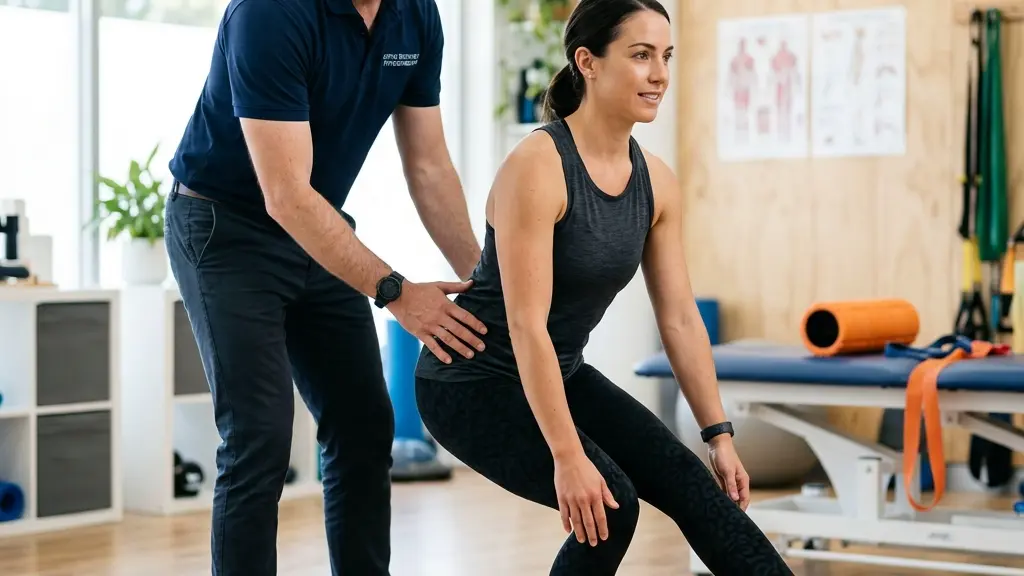
An anterior cruciate ligament (ACL) injury changes the knee’s ability to handle pivoting and cutting forces. Rehabilitation matters whether treatment is surgical or nonsurgical, but the pathway is not identical for every tear or every person.
Editorial correction, 16 September 2026: We replaced a generic exercise protocol with an evidence-linked overview. This page does not decide whether you need reconstruction or clear you to return to sport.
Surgery is an individual decision
According to the American Academy of Orthopaedic Surgeons (AAOS), treatment decisions consider activity goals, knee instability, injury severity and damage to structures such as the meniscus or cartilage. Some partial tears and some lower-demand situations may be managed without surgery. People with symptomatic instability, combined injuries or goals involving pivoting sports may be more likely to discuss reconstruction.
This decision belongs in a conversation with an orthopaedic clinician and rehabilitation professional. An MRI can help identify associated soft-tissue injuries, but a scan should be interpreted alongside symptoms, examination findings and goals.
Early rehabilitation goals
Early care commonly focuses on reducing swelling, restoring comfortable knee motion and re-establishing quadriceps control. After reconstruction, the surgeon’s instructions and any procedures performed at the same time—such as a meniscal repair—can change weight-bearing or movement precautions.
An online timeline cannot safely override those restrictions. Increasing activity because a certain number of weeks has passed is not the same as demonstrating that the knee is ready.
How progression is judged
As rehabilitation advances, the programme may develop lower-limb strength, balance, landing control, running tolerance and sport-specific movement. Progression should connect to observable recovery rather than exercise novelty.
- Is swelling controlled after the current level of activity?
- Has knee motion recovered as expected?
- Can the person demonstrate appropriate strength and movement control?
- Can required tasks be performed without instability?
- Are confidence and readiness being considered alongside physical testing?
Return to sport is not one test
AAOS describes return after reconstruction in terms of restored motion, strength, endurance, function, balance and control, with no ongoing pain or swelling. Time remains relevant to biological recovery, but a date alone cannot show whether those qualities have returned.
Sport demands also differ. Straight-line jogging does not reproduce the forces of unplanned cutting, contact, landing or fatigue. A staged return can expose the knee to increasing complexity while the rehabilitation team monitors its response.
When to seek urgent advice
After an operation, follow the surgical team’s instructions for wound problems, fever, rapidly increasing pain or swelling, calf symptoms, chest pain or shortness of breath. After a new injury, prompt assessment is appropriate when the knee is locked, markedly swollen, unable to bear weight or repeatedly giving way.
Bottom line
ACL rehabilitation is a structured decision process, not a fixed collection of exercises. Establish the full injury picture, respect procedure-specific restrictions, rebuild capacity progressively and use multiple recovery criteria before returning to high-risk activity.
Sources and limitations
AAOS OrthoInfo: Anterior Cruciate Ligament Injuries, AAOS OrthoInfo: Does an ACL Injury Require Surgery?, and the AAOS ACL clinical practice guideline hub. These sources support general principles; they do not replace local postoperative instructions or an individual return-to-sport assessment.
Medical Disclaimer
The information provided by AyurPhysio is for general educational and informational purposes only. It is not intended as a substitute for professional medical advice, diagnosis, or treatment. Always seek the advice of your physician or other qualified health providers with any questions you may have regarding a medical condition. Never disregard professional medical advice or delay in seeking it because of something you have read on this website.
Trending Guides
How to Read a Health-Product Review Without Being Misled
4 min readOne in Six Older Adults Faced Delayed Home Rehabilitation After Joint Replacement
3 min readCan Group Knee-Osteoarthritis Care Work by Video? A Small Trial Offers a Cautious Yes
3 min readBlended Digital Physiotherapy Was Not Better for Neck and Shoulder Pain in a 2026 Trial
3 min readPressure-Wave Therapy After Rotator-Cuff Repair: What a Small 2026 Trial Adds
3 min readWeekly Wellness
Don't miss the next guide
Get holistic health tips and new guides delivered to your inbox.
Related Healing Guides
View All Guides →
Retrolisthesis: What the Imaging Finding Means for Rehabilitation