Managing Rheumatoid Arthritis Flare-ups: Balancing Activity and Joint Rest
“A Rheumatoid Flare is not an internal battle you can win by force; it is an internal forest fire. To calm the blaze, you must stop fanning it with excessive friction, and gently cool the embers with surgical precision rest.”
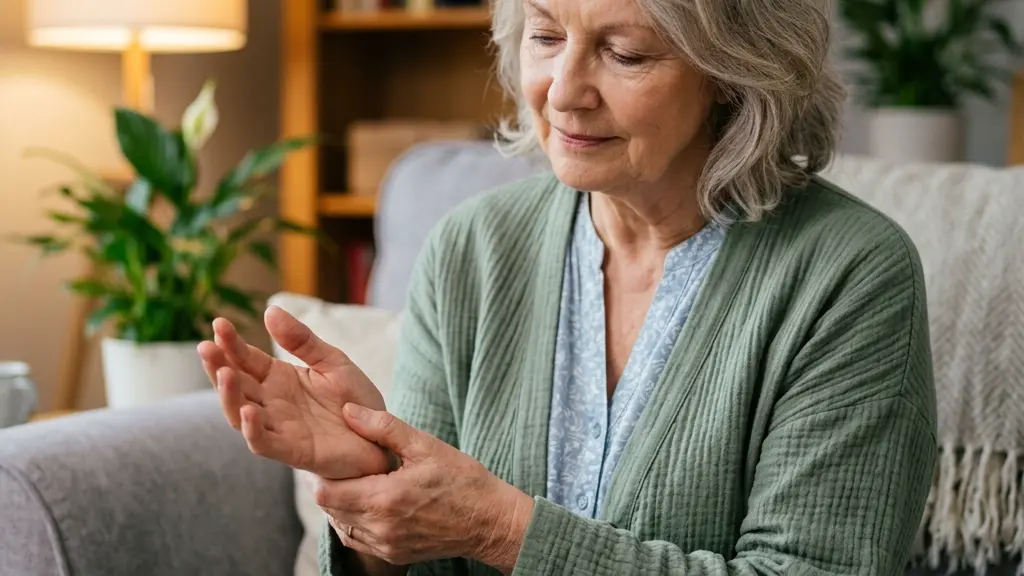
Waking up to find your knuckle joints hot, swollen, and resembling angry red sausages is a terrifying reality for the millions living with active Rheumatoid Arthritis (RA). During these acute flare episodes, even grasping a toothbrush can trigger radiating waves of deep internal systemic exhaustion.
The conventional advice is maddeningly contradictory. One source commands you to "push through the pain to avoid stiffness," while another tells you to remain perfectly stationary, leading to atrophy. This conflict traps you in an endless cycle of guilt and systemic damage.
Successfully managing rheumatoid arthritis flare-ups is not about generic balance. It demands high-resolution clinical sorting—understanding precisely when a joint requires active non-frictional lubrication, and exactly when it requires complete, splinted lockdown.
The Anatomy of the Flare Storm
During an RA flare, the synovium (the thin lining enclosing the joint) undergoes violent immune attack. It thickens, releases caustic enzymes, and physically digests local cartilage if mechanical friction continues unabated.
Research confirms that pushing into "sharp" joint pain during a flare generates catastrophic shear load, increasing systemic inflammatory markers like CRP by nearly 15% in the subsequent 24-hour window.
But most people miss the hidden catalyst for this inflammation. They treat the symptom externally with ice, failing to recognize that internal blood toxins (what Ayurveda calls *Amavata*) are actively feeding the heat. This directly correlates to protocols for calming high metabolic heat as covered in our guide to pitta imbalance inflammation.
Stop The 'No Pain, No Gain' Philosophy
In general orthopedics, minor pain is acceptable. In RA, bold authoritative clinical experience dictates that pain is absolute tissue destruction feedback. Never, under any circumstance, should an RA patient perform loaded resistance training while a joint is warm to the touch. You must pivot entirely to sub-maximal isometric holds until the thermal heat subsides.
Three Safe Navigation Strategies During a Flare
To prevent permanent joint remodeling while mitigating the storm, utilize this precise tactical trifecta.
- Phase 1: Non-Loaded "Gliding" Range: While lying down in warm water, slowly open and close the swollen joint without any gravity resist. This permits the synovial fluids to cycle and flush debris without adding aggressive mechanical compression.
- Phase 2: The 50% Rule for Energy Budgeting: If you normally walk for 30 minutes, perform 15 minutes and immediately rest for 1 hour. Halving the output window prevents the central nervous system from cascading into total exhaustion guarding.
- Phase 3: Joint Splinting During Rest: When not actively moving, use lightweight, stabilizing compression gloves or braces. This prevents the highly inflamed joint from slipping out of the correct geometric alignment during sleep, preventing chronic deformity.
👤 Patient Spotlight: Linda's Hand Recovery
The Patient: Linda, 59, experiencing a severe 10-day flare affecting both wrists and her left ankle, causing near-total immobility and heavy depression.
The Mistake: She tried forcing "stress ball squeezes" during the peak of the flare, which only escalated the joint redness and localized heat.
The Solution: Complete temporary immobilization with soft splints, coupled with strict cooling anti-inflammatory dietary intake and gentle lymph drain massages.
The Outcome: Within 72 hours the visible swelling receded significantly. She safely resumed full gentle daily activities on day 6 without causing post-flare erosion.
Calming the Internal Ecosystem
Long-term resilience demands that you look beyond just the joints. By balancing muscle activation and skeletal alignment, you build lasting defense barriers. Discover more about this in our guide on managing hand osteoarthritis and joint protection.
A flare is a message from your body pleading for protective stewardship. Listen deeply, move gently, and do not rush the calming of the storm. The sun will rise again on your mobility—protect the architecture until it does.
Irushi Abeywardhana
Senior Physiotherapist & Founder of Physio Pulse. Senior Clinical Physiotherapist passionate about blending advanced movement science with functional resilience.
Medical Disclaimer
The information provided by AyurPhysio is for general educational and informational purposes only. It is not intended as a substitute for professional medical advice, diagnosis, or treatment. Always seek the advice of your physician or other qualified health providers with any questions you may have regarding a medical condition. Never disregard professional medical advice or delay in seeking it because of something you have read on this website.
Trending Guides
Luka Modrić's Daily Routine: Low-Impact Resistance Training and Midfield Longevity
4 min readHarry Kane's Daily Routine: Hamstring Preservation and Anti-Inflammatory Nutrition
4 min readKarim Benzema's Daily Routine: Cupping Therapy (Hijama) and HIIT Conditioning
4 min readNeymar Jr.'s Daily Routine: Joint Stabilization and Hyperbaric Oxygen Therapy
4 min readMohamed Salah's Daily Routine: Early Morning Conditioning and Hyperbaric Recovery
4 min readWeekly Wellness
Don't miss the next guide
Get holistic health tips and new guides delivered to your inbox.
Related Healing Guides
View All Guides →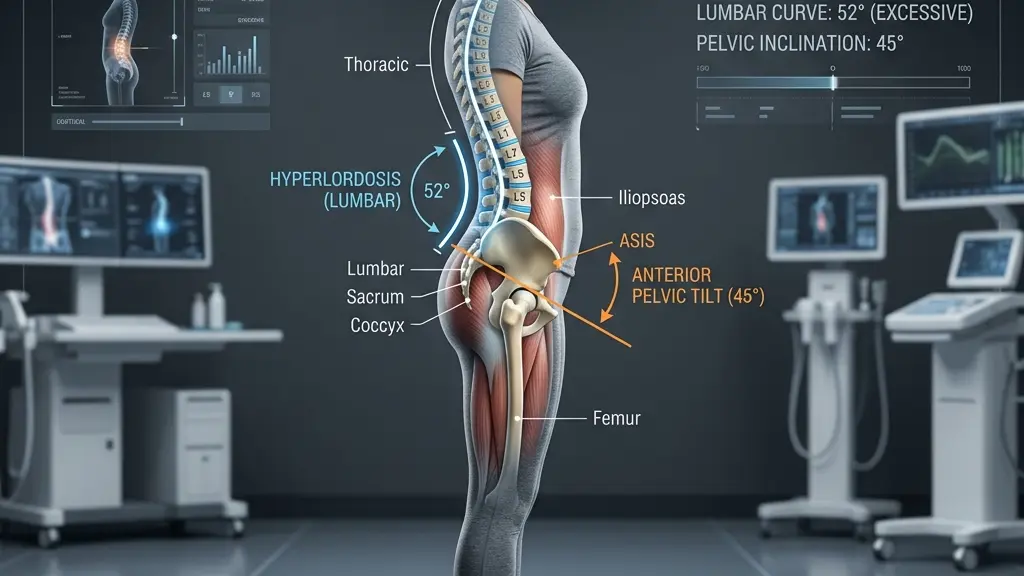
Hyperlordosis: Tailoring Exercise Programs to Reduce Lumbar Shear Stress

Morning Lower Back Stiffness: The Biomechanical Causes and Quick, Safe Fixes