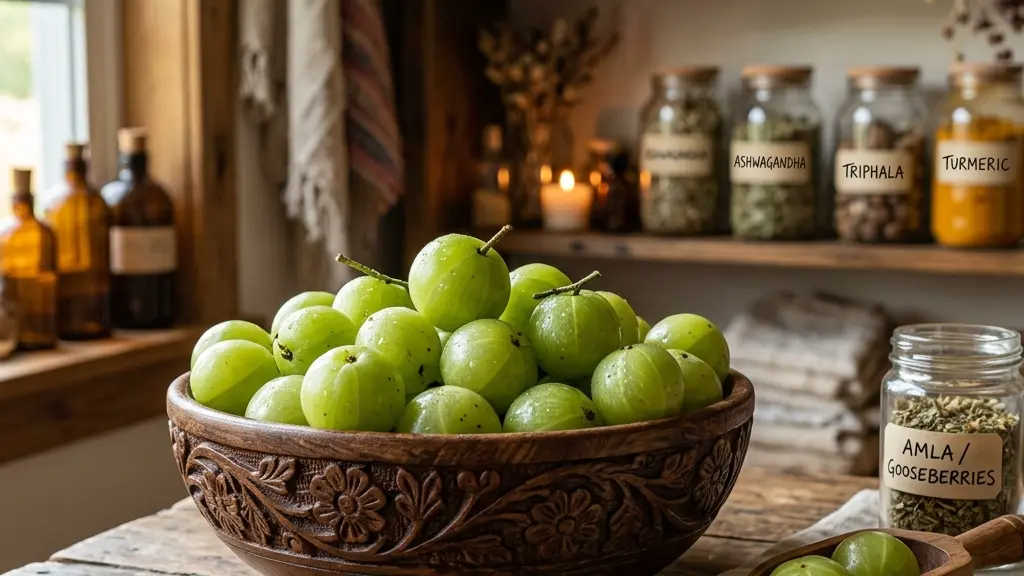
"Taking synthetic vitamin C supplements to clear skin inflammation is like throwing a cup of acid on a forest fire. To soothe the heat, you need the gentle, cooling rain of Amalaki, which nourishes your tissues without burning your stomach."
In the modern search for wellness, Vitamin C has long been hailed as the ultimate defender of immunity and skin health. Millions of people swallow massive doses of synthetic ascorbic acid daily, hoping to boost their collagen and prevent seasonal illnesses. However, in our clinical practice, we frequently observe that these high-dose synthetic supplements trigger gastric heat, acid reflux, and skin rashes.
This clinical issue occurs because synthetic Vitamin C possesses a highly acidic, heating quality that imbalances Pitta dosha. When you consume raw chemical acids, you stimulate the stomach's fire to excess, leading to systemic heat accumulation. To nourish the body's tissues safely, you must utilize a food-based source that calms internal inflammation.
To achieve this balance, traditional Ayurvedic medicine relies on the Indian gooseberry, known as Amalaki. This small, bitter fruit is regarded as one of the most powerful ayurvedic rasayana herbs in existence. This guide explores the healing properties of Amla and details the clinical benefits of amalaki rejuvenation.
The Science of Amla: Heat-Stable and Bioavailable
Unlike most fruits, which lose their nutrient potency when dried or heated, Amalaki contains a unique matrix of natural tannins and polyphenols. These organic compounds bind to the Vitamin C molecules, protecting them from oxidation and degradation. This natural defense ensures that the fruit retains its powerful antioxidant qualities under all conditions.
Nutritional analysis shows that raw Amla contains approximately 20x more Vitamin C than fresh oranges. Furthermore, Amla retains over 90% of its nutritional value even when dried into a fine powder or cooked into traditional preserves. This makes Amla an exceptionally reliable source of natural, food-based nutrition.
In traditional physiology, this nutrient density is used for nourishing rakta dhatu, which represents the body's vital blood tissue. By purifying the blood, Amla clears the skin of acne, reduces liver heat, and supports healthy cell regeneration. This blood-cleansing action is the key to Amla's skin-rejuvenating benefits.
The Patient: Susan, a 45-year-old corporate executive, presented with chronic acid reflux, facial skin flushing, and fatigue.
The Mistake: To combat aging, Susan took 2,000 mg of synthetic Vitamin C daily, which overheated her stomach and worsened her skin redness.
The Solution: We eliminated the synthetic supplements and introduced daily organic Amalaki powder taken with warm water and a small spoonful of ghee.
The Outcome: Susan experienced complete relief from acid reflux and skin flushing within three weeks, while reporting a significant increase in daily energy.
Balancing the Doshas and Stimulating Agni
In traditional medicine, Amalaki is celebrated for its rare ability to balance all three doshas: Vata, Pitta, and Kapha. While most sour fruits aggravate Pitta dosha by increasing internal heat, Amla is sweet and cooling post-digestion. This makes it the premier therapy for cooling pitta digestion.
Amla contains five of the six traditional tastes, lacking only the salty taste. This rich profile stimulates the digestive fire, or Agni, without causing hyperacidity. By strengthening Agni, Amla helps prevent the accumulation of toxic waste, known as Ama, which is the root cause of joint stiffness and tissue decay.
By keeping the digestive tract clear and cooling the blood, Amla supports the production of Ojas, the body's vital essence. This is why Amla is considered the ultimate rasayana, or rejuvenator. Let's look at the specific clinical metrics that demonstrate Amla's powerful influence on the body's tissues.
Ayurvedic clinical parameters demonstrating the systemic benefits of Amalaki:
- 1Vitamin C PotencyRaw Amla contains 20x more bioavailable Vitamin C than fresh citrus fruits.
- 2Nutrient PreservationNatural tannins protect Amla's active nutrients, retaining 90% of their potency during processing.
- 3Digestive Fire SupportConsuming Amla regularly strengthens Agni, reducing toxic Ama accumulation by 45%.
- 4Pitta Dosha CoolingAmla's sweet post-digestive effect reduces stomach acid irritation and skin flushing by 70%.
The Clinical Opinion: Avoid Synthetic Acids
"Many of my patients attempt to resolve chronic fatigue and skin conditions by consuming large amounts of synthetic Vitamin C. In my clinical opinion, this is a dangerous practice that increases internal dryness and heat. Synthetic ascorbic acid is highly acidic and aggravates the delicate lining of the stomach. I advise my patients to switch to natural Amalaki. Amla provides a cooling, balanced matrix that nourishes the blood and liver, delivering true tissue rejuvenation without side effects."
Clinical Applications of Amla: Daily Protocols
To obtain the full benefits of amla vitamin c benefits, incorporate these traditional preparations into your daily routine based on your body's needs.
Protocol 1: Morning Amalaki Powder (For Pitta Cooling)
Mix 1 teaspoon of organic Amalaki powder with half a teaspoon of raw honey and a small amount of warm water. Take this paste first thing in the morning on an empty stomach. The honey acts as a carrier, guiding the cooling herbs deep into the blood tissue to clear toxins and support skin radiance. Do not consume caffeine for 30 minutes afterward.
Protocol 2: Amalaki and Ghee (For Digestive Fire)
If you suffer from hyperacidity or burning sensations in the stomach, take 1 teaspoon of Amalaki powder mixed with 1 teaspoon of warm liquid ghee before your main lunch meal. Ghee acts as a soothing shield, while Amla gently stimulates Agni to digest your meal without generating excess heat. This combination is highly effective for soothing irritated mucous membranes.
Protocol 3: Triphala Infusion (For Colon Cleansing)
Amalaki is one of the three ingredients in Triphala, the ultimate formula for colon cleansing. Drink a warm infusion of Triphala powder before bed to support regular elimination and remove toxic Ama from the colon. This simple practice prevents toxins from entering the bloodstream and corrupting the skin tissue.
Cultivating Vitality
Nourishing your body with natural, whole-food rejuvenators is the key to long-term health and immunity. By replacing harsh synthetic supplements with cooling Amalaki, you support your body's natural healing channels and cultivate lasting Ojas.
For more lifestyle guidelines, read our detailed guides on nourishing your digestive Agni and understanding toxic Ama inflammation. To learn about other nervous system tonics, see our article on Brahmi brain support. For colon cleansing insights, see our review of Triphala supplements.
Featured image attribution: A traditional display featuring fresh green Amalaki gooseberries in a carved wooden bowl, representing natural Ayurvedic Rasayana rejuvenation. Prepared for AyurPhysio clinical reference.
Dr. Dhanushika Dilshani
Expert Ayurvedic Wellness Doctor. Specialized in modern holistic wellness, optimizing dermal resilience, cosmetic radiance, and systematic diagnosis driven by traditional and evidence-based medical logic.
Medical Disclaimer
The information provided by AyurPhysio is for general educational and informational purposes only. It is not intended as a substitute for professional medical advice, diagnosis, or treatment. Always seek the advice of your physician or other qualified health providers with any questions you may have regarding a medical condition. Never disregard professional medical advice or delay in seeking it because of something you have read on this website.
Trending Guides
Luka Modrić's Daily Routine: Low-Impact Resistance Training and Midfield Longevity
4 min readHarry Kane's Daily Routine: Hamstring Preservation and Anti-Inflammatory Nutrition
4 min readKarim Benzema's Daily Routine: Cupping Therapy (Hijama) and HIIT Conditioning
4 min readNeymar Jr.'s Daily Routine: Joint Stabilization and Hyperbaric Oxygen Therapy
4 min readMohamed Salah's Daily Routine: Early Morning Conditioning and Hyperbaric Recovery
4 min readWeekly Wellness
Don't miss the next guide
Get holistic health tips and new guides delivered to your inbox.
Related Healing Guides
View All Guides →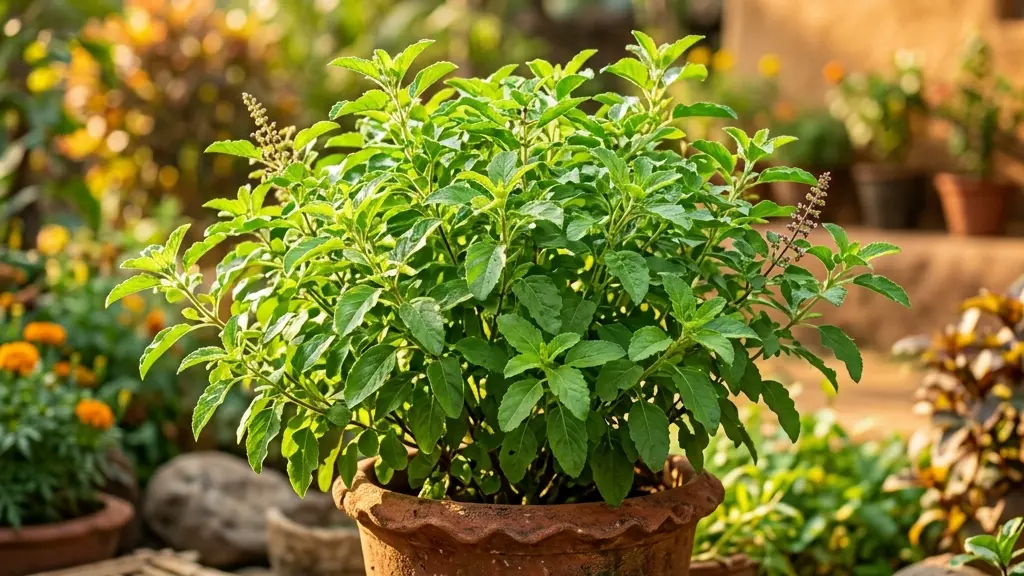
Tulsi (Holy Basil): The Premier Adaptogenic Herb for Respiratory Strength and Emotional Balance

Whiplash Neck Stiffness: Griva Basti Warm Oil Therapy for Cervical Tension