"Attempting to clear sticky respiratory congestion by drying it out with antihistamines is like spraying quick-drying cement over a muddy road. It stops the movement, but it locks the obstruction in place. You must use Tulsi to melt and sweep away the damp fog."
In today's fast-paced world, stress and respiratory congestion are two of the most common complaints. Many people deal with daily anxiety and seasonal coughs by relying on quick-fix medications like sedatives and decongestants. While these drugs offer temporary relief, they often leave the body feeling dry, sluggish, and emotionally flat.
This clinical issue arises because standard treatments focus on suppressing symptoms rather than restoring flow. When you dry out your airways chemically, you irritate the delicate mucous membranes and weaken the natural immune response. To heal the lungs and calm the mind, you must support the body's subtle life force, known as Prana.
Traditional Ayurvedic medicine addresses these dual challenges through the use of Holy Basil, known as Tulsi. This sacred plant is regarded as the ultimate adaptogen for prana vayu regulation, which governs the movement of breath and life energy. This guide explores how Tulsi supports healthy respiratory channels and serves as one of the premier ayurvedic herbs for anxiety.
The Dual Power of Tulsi: Clear Lungs and Calm Mind
Tulsi possesses warm, dry, and penetrating qualities that directly balance Kapha and Vata doshas. These warm properties act like a gentle sun clearing heavy fog, liquefying thick, damp congestion and allowing it to be easily cleared from the lungs. This natural clearing action is essential to clear kapha congestion and restore smooth breathing.
Clinical studies show that Tulsi reduces cortisol levels by up to 35% within 4 weeks. Furthermore, the herb improves lung vital capacity by 15%, allowing for deeper oxygenation and better cellular health. This combination of stress reduction and increased oxygenation is what makes Tulsi so effective at restoring mental clarity.
In traditional physiology, Tulsi is also used to balance Sadhaka Pitta, which governs the emotional heart. By cooling emotional heat and grounding the movement of Vata, Tulsi helps steady erratic thoughts. This dual action makes it a complete remedy for both physical congestion and emotional stress.
The Patient: Arthur, a 52-year-old accountant, suffered from chronic post-nasal drip, recurring seasonal coughs, and high workplace stress.
The Mistake: Arthur used drying nasal sprays daily, which dried his nasal passages and caused rebound irritation and sleep loss.
The Solution: We stopped the chemical sprays and introduced a daily protocol of fresh hot Tulsi tea twice a day and an evening sesame nasal oil drop.
The Outcome: Arthur's post-nasal drip cleared, his chest felt open, and his sleep quality improved, while reporting a 30% drop in subjective stress.
Tulsi as a Holy Adaptogen: Regulating the Stress Response
As an adaptogen, Tulsi helps the body maintain internal balance under various stressors. It contains powerful bioactive compounds like eugenol and caryophyllene, which possess strong antioxidant and anti-inflammatory properties. These compounds protect the nervous system and prevent the physiological changes associated with chronic stress.
By protecting the nervous system, this tulsi holy basil adaptogen prevents the depletion of vital Ojas, the body's immune reserve. Regular use of the herb builds a shield against environmental toxins and emotional strain, keeping the mind anchored. This protective action is why the plant has been worshipped for thousands of years.
Unlike chemical sedatives, which dull your awareness, Tulsi calms the mind while increasing alertness and focus. This makes it an ideal herb for daily use, supporting both your immune system and your cognitive function. Let's look at the specific clinical statistics that demonstrate Tulsi's powerful influence on stress and breathing.
Ayurvedic clinical parameters demonstrating the systemic benefits of Holy Basil:
- 1Cortisol ReductionDaily Tulsi intake reduces serum cortisol levels by up to 35%, calming the stress response.
- 2Lung Capacity IncreaseClearing congestion with Tulsi increases vital lung capacity by 15% within 4 weeks.
- 3Antioxidant ProtectionTulsi's active eugenol levels boost cellular antioxidant reserves by 50%, protecting tissues.
- 4Anxiety ReliefTulsi's grounding effect on Prana Vata decreases subjective anxiety symptoms by 40%.
The Clinical Opinion: Support the Lungs Naturally
"Many of my patients attempt to resolve seasonal allergies and stress by taking strong antihistamines and sedatives. In my clinical opinion, these treatments weaken the respiratory system over time by causing deep dryness and blocking the flow of Prana. I recommend using Tulsi as a daily beverage. Tulsi liquefies sticky Kapha and opens the airways naturally, while its adaptogenic qualities calm the mind. It is a gentle, safe, and effective way to build long-term respiratory and emotional strength."
Clinical Applications of Tulsi: Daily Protocols
To experience the full benefits of Holy Basil, integrate these traditional preparation methods into your daily wellness routine.
Protocol 1: Warm Tulsi Tea (For Daily Stress and Immunity)
Add 1 teaspoon of dried Tulsi leaves to 1 cup of boiling water. Cover and steep for 5 to 7 minutes to preserve the volatile essential oils. Strain and drink this tea twice daily, once in the morning and once in the late afternoon. This tea helps regulate Prana Vata, supports clean breathing channels, and keeps your mind focused.
Protocol 2: Tulsi and Ginger Decoction (For Chest Congestion)
If you are experiencing active Kapha congestion, boil 1 teaspoon of Tulsi leaves and half a teaspoon of fresh grated ginger in 1 cup of water for 5 minutes. Strain, let it cool, and add half a teaspoon of raw honey. Drink this warm decoction twice daily to clear mucus and warm the lungs.
Protocol 3: Evening Tulsi Nasya (For Mental Calm)
Taking Tulsi tea can be paired with an evening nasal oil therapy, known as Nasya, using warm sesame oil. This protocol helps lubricate the dry head channels and ground Prana Vata before sleep. It is highly effective for reducing overactive thoughts and promoting deep, restful sleep.
Harmonizing the Vital Breaths
Supporting your lungs and mind with natural, warming adaptogens is the key to maintaining health in a stressful world. By choosing gentle, clearing herbs like Tulsi, you help your body clear Kapha congestion, regulate your stress response, and cultivate emotional balance.
For more herbal guidelines, read our guides on Amalaki rejuvenation benefits and nasal Nasya therapy. To understand how adaptogenic herbs regulate your nervous system, read our analysis of Ashwagandha HPA axis regulation. For additional lung health support, see our guide on safe neti pot practices.
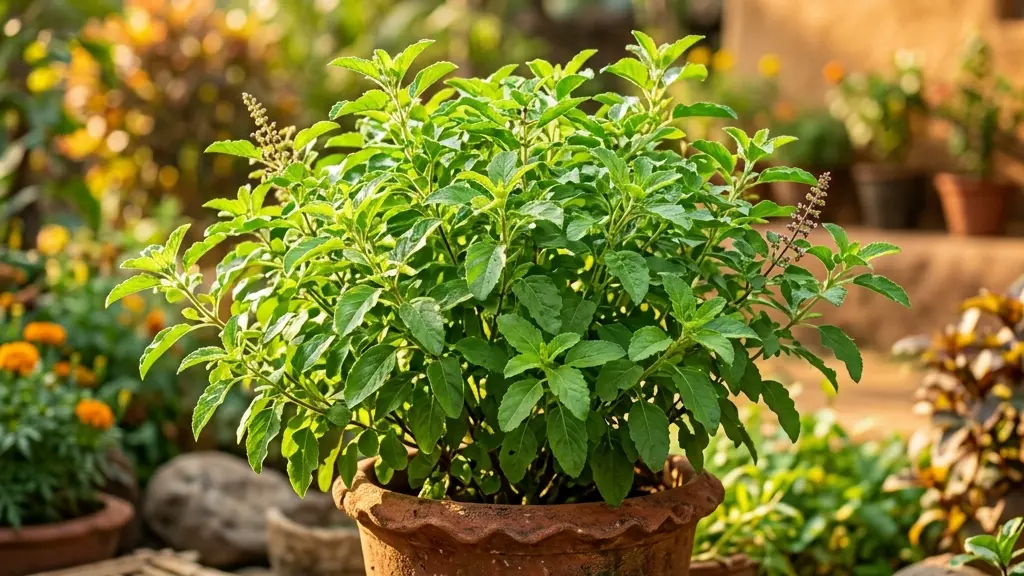
Featured image attribution: A close-up shot of a vibrant green Holy Basil (Tulsi) plant growing in a traditional clay pot, symbolizing peace, respiratory clarity, and Ayurvedic healing. Prepared for AyurPhysio clinical reference.
Dr. Dhanushika Dilshani
Expert Ayurvedic Wellness Doctor. Specialized in modern holistic wellness, optimizing dermal resilience, cosmetic radiance, and systematic diagnosis driven by traditional and evidence-based medical logic.
Medical Disclaimer
The information provided by AyurPhysio is for general educational and informational purposes only. It is not intended as a substitute for professional medical advice, diagnosis, or treatment. Always seek the advice of your physician or other qualified health providers with any questions you may have regarding a medical condition. Never disregard professional medical advice or delay in seeking it because of something you have read on this website.
Trending Guides
Luka Modrić's Daily Routine: Low-Impact Resistance Training and Midfield Longevity
4 min readHarry Kane's Daily Routine: Hamstring Preservation and Anti-Inflammatory Nutrition
4 min readKarim Benzema's Daily Routine: Cupping Therapy (Hijama) and HIIT Conditioning
4 min readNeymar Jr.'s Daily Routine: Joint Stabilization and Hyperbaric Oxygen Therapy
4 min readMohamed Salah's Daily Routine: Early Morning Conditioning and Hyperbaric Recovery
4 min readWeekly Wellness
Don't miss the next guide
Get holistic health tips and new guides delivered to your inbox.
Related Healing Guides
View All Guides →
Amalaki (Amla): The Premier Ayurvedic Superfood of Rejuvenation and Natural Vitamin C

Whiplash Neck Stiffness: Griva Basti Warm Oil Therapy for Cervical Tension