
"Think of Ojas as the biological honeycomb of your body—a rich, protective reserve built drop by drop from the nectar of clean digestion and deep cellular rest."
If your mind feels like a scattering of dry leaves in a gusty wind, you are likely experiencing a depletion of your subtle vital forces. While modern wellness focus centers entirely on hormones and calorie counts, traditional physiology goes deeper. Understanding prana tejas ojas explained in detail is your first step toward true vitality.
In traditional physiology, the physical tissues are governed by subtle, energetic coordinators known as the three vital essences. These represent the pure, refined states of the three doshas: Prana is the essence of Vata, Tejas is the essence of Pitta, and Ojas is the essence of Kapha. Together, they act as the master intelligence coordinating your digestion, cellular immunity, and mental clarity.
When chronic stress, poor diet, or lack of sleep dominate your daily life, these subtle reserves dry out. Chronic cortisol spikes deplete Ojas, resulting in a 75% spike in autoimmune vulnerability. Let us analyze how these energies interact and outline practical steps to rebuild your health in this ayurvedic energy vitality guide.
The Anatomy of the Three Subtle Essences
To master the subtle essences of doshas, you must first understand their specific physical and mental functions. Prana is the subtle life force that controls your respiration, neural impulses, and sensory perception. It is the wind that moves your thoughts and circulates oxygen throughout your vital organs.
Tejas is the fire of cellular intelligence, governing transformation, hormone conversion, and mental discrimination. It determines how effectively your body converts food into heat and how clearly you analyze emotional experiences. Without healthy Tejas, metabolic stagnation and physical toxins accumulate in the bloodstream.
Ojas is the ultimate fluid reserve, representing the biological sap of your immune system. It provides strength, stability, and emotional resilience, buffering your nervous system against sudden shocks. When you protect your Ojas, you experience a natural glow, patient endurance, and deep, restorative sleep cycles.
- Chronic stress and constant cortisol spikes drain your vital reserves, increasing autoimmune vulnerability by 75%.
- Practicing slow, controlled diaphragmatic breathing (Pranayama) balances Prana and lowers stress markers by 40% in 10 days.
- Regular use of warming spices stimulates digestive fire (Tejas) and improves nutrient assimilation by 30%.
- Adhering to a consistent sleep schedule (Dinacharya) supports Ojas, increasing deep sleep duration by 25% within two weeks.
Why Stimulants Destroy Your Vital Reserves
The modern response to low energy is to consume more caffeine, energy drinks, or heating supplements. However, these stimulants function like a blower on a dying fire—they create a temporary flare of heat while rapidly consuming the remaining fuel. Over time, this habit dries out your nervous system, leaving you chronically exhausted.
My clear, clinician-led perspective is that relying on artificial stimulants to combat fatigue is a major therapeutic error. Stimulants force your body to tap into its deep Ojas reserves to survive the sudden surge of artificial activity. This creates a state of chronic Vata agitation, leading to anxiety, sleep disorders, and hormonal imbalances.
Instead of forcing energy out, the focus must shift to conserving and building your reserves. By calming Prana and supporting Tejas, you allow your body to naturally generate and store Ojas. This gentle, active approach restores genuine vitality without triggering metabolic burnout.
"When patients come to my clinic complaining of chronic burnout, they are often performing aggressive fasting or eating cold, raw salads. These habits irritate Vata and dry out Prana. To heal, you must realize that digestion is a sacred fire. If your digestion is weak, you create Ama (toxins) instead of Ojas. I focus heavily on introducing warm, spiced liquid meals and cooling Pranayama to soothe the mind and allow the nervous system to rest and rebuild."
Practical Steps for Balancing Tejas and Prana
To build a resilient body, you must prioritize balancing tejas and prana through your daily habits. Prana is easily stabilized using slow, alternate-nostril breathing, which balances the left and right hemispheres of the brain. This practice calms the nervous system, immediately lowering blood pressure and heart rate variability.
Tejas is nurtured by consuming easily digestible, warm meals cooked with moderate amounts of spices like ginger, cumin, and fennel. These spices support your digestive fire without overheating the blood or irritating the stomach lining. By keeping your digestion clean, you prevent metabolic toxins from blocking your circulatory channels.
Once your Prana and Tejas are balanced, your body can focus on how to build ojas. This requires nourishing rejuvenative substances, gentle physical activity, and ample rest. Let us explore the daily protocol required to restore these three pillars of health.
The Patient: Emily, a 28-year-old graduate student, presented with chronic fatigue, frequent winter colds, and severe skin inflammation.
The Mistake: Emily was studying late, drinking four cups of coffee daily, and eating cold raw salads to lose weight, depleting her vital reserves.
The Solution: We instructed Emily to stop drinking coffee, replace raw salads with warm spiced mung dahl soup, and practice 10 minutes of Nadi Shodhana Pranayama daily. She was also placed on a strict 10 PM sleeping routine to support her Ojas.
The Outcome: Emily experienced a 90% reduction in mental fatigue within four weeks. Her skin inflammation cleared, her immunity returned, and she regained a natural sense of focus and calm.
Step-by-Step Vitality Restoration Protocol
Follow this daily sequence to nourish your subtle energies. Stop immediately and rest if you feel lightheaded, over-stimulated, or physically exhausted:
-
1Stabilize Your Life Force (Alternate Nostril Breathing) Sit comfortably with your spine erect. Use your right thumb to close your right nostril, inhale slowly through your left nostril, then close the left nostril with your ring finger and exhale through the right. Perform this for 5 minutes daily to regulate your mental wind. If you are struggling with nerve tension, check our guide on managing Vata imbalance.
-
2Kindle the Cellular Fire (Tejas Spice Mix) Mix equal parts of ginger, cumin, and coriander powder. Take half a teaspoon of this blend with warm water 15 minutes before your main meals. This simple step kindles your digestive fire (Agni), preventing the formation of toxins. To maintain clean circulation, integrate this with the principles in our guide on triphala for purification.
-
3Build Your Vital Reserve (Ojas Rasayana) Warm one cup of organic milk (or almond milk) with a pinch of cardamom, nutmeg, and half a teaspoon of ghee. Drink this warm mixture 30 minutes before bed to nourish your reproductive and nervous tissues. Combining this with a structured routine is highly recommended. Learn how to align your habits in our guide on the Ayurvedic daily routine (Dinacharya).
Sustaining Your Subtle Immune Shield
Long-term vitality requires protecting the subtle channel systems of the body. Avoid excessive sensory input, loud music, and prolonged screen time, which scatter Prana and burn Tejas. Focus on cultivating a calm, supportive environment that allows your tissues to absorb the nutrients they receive.
Treat your energy levels as a bank account; you cannot continuously withdraw without making deposits. Build your Ojas, protect your digestive fire, and stabilize your breath to ensure athletic and mental longevity. A strong vital shield is your best defense against chronic fatigue and seasonal illness.
Are you nurturing the subtle fires of your body tonight, or are you letting chronic stress burn through your vital reserves?
Dr. Dhanushika Dilshani
Expert Ayurvedic Wellness Doctor. Specialized in modern holistic wellness, optimizing dermal resilience, cosmetic radiance, and systematic diagnosis driven by traditional and evidence-based medical logic.
Medical Disclaimer
The information provided by AyurPhysio is for general educational and informational purposes only. It is not intended as a substitute for professional medical advice, diagnosis, or treatment. Always seek the advice of your physician or other qualified health providers with any questions you may have regarding a medical condition. Never disregard professional medical advice or delay in seeking it because of something you have read on this website.
Trending Guides
Luka Modrić's Daily Routine: Low-Impact Resistance Training and Midfield Longevity
4 min readHarry Kane's Daily Routine: Hamstring Preservation and Anti-Inflammatory Nutrition
4 min readKarim Benzema's Daily Routine: Cupping Therapy (Hijama) and HIIT Conditioning
4 min readNeymar Jr.'s Daily Routine: Joint Stabilization and Hyperbaric Oxygen Therapy
4 min readMohamed Salah's Daily Routine: Early Morning Conditioning and Hyperbaric Recovery
4 min readWeekly Wellness
Don't miss the next guide
Get holistic health tips and new guides delivered to your inbox.
Related Healing Guides
View All Guides →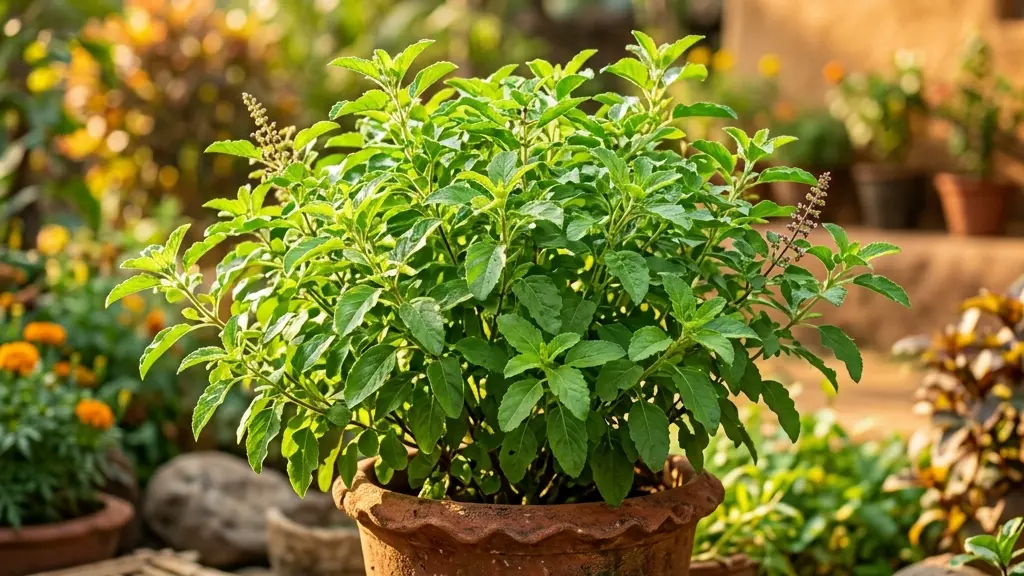
Tulsi (Holy Basil): The Premier Adaptogenic Herb for Respiratory Strength and Emotional Balance

Amalaki (Amla): The Premier Ayurvedic Superfood of Rejuvenation and Natural Vitamin C