
"Treating a chronic, frayed tendon with complete rest is like leaving an old, dried-out rubber band at the bottom of a drawer. When you finally pull it out and stretch it under load, it snaps instantly."
Do you feel like your Achilles tendon or shoulder tendon is a dry, frayed string ready to snap? That persistent, sharp pinch every time you reach up or take a step is a sign of deep connective tissue irritation. It feels as if your joints lack grease—much like a squeaky bicycle chain crying out for oil.
Traditional recovery advice often mandates complete rest and anti-inflammatory pills. However, leaving the joint completely immobile only dries out the connective tissue further and delays recovery. In Ayurveda, this chronic wear and tear is viewed as a Vata-dominated depletion of the Asthi (bone) dhatu.
To truly rebuild the tissue, we must nourish it from the inside out using targeted Ayurvedic herbals and lubricating external therapies. By using the potent herb Cissus Quadrangularis, known traditionally as Hadjod, you can actively boost collagen production. This tendonitis recovery guide outlines the path.
The Vata Dryness Connection: Why Rest and NSAIDs Fail
When Vata dosha accumulates in the body, it brings qualities of dryness, coldness, and rough texture. This excess dryness targets the joints and tendons, robbing them of their natural lubrication (Sleshaka Kapha) and causing micro-tears.
Resorting to non-steroidal anti-inflammatory drugs (NSAIDs) to mask the pain does nothing to restore this essential moisture. In fact, these cold, drying chemicals temporarily numb the nerves while actively blocking the body's natural tissue-repair pathways.
Complete rest is equally counterproductive because tendons require gentle movement to absorb nourishing fluids. Without circulation and lubrication, the tissue becomes brittle and increasingly prone to chronic degeneration.
This is where herbal remedies for joint stiffness play a vital role, acting as systemic nutrients to feed the depleted dhatus. By combining internal herbal support with external snehana, you can systematically reverse the dryness that halts tendon repair.
Hadjod: The Traditional 'Joint Joiner' for Collagen Rebuilding
Cissus Quadrangularis, classically referred to as Hadjod, translates literally to "the one that joins bones." This ancient climber is renowned for its unique ability to accelerate the healing of fractures, ligaments, and tendons. It specifically targets the metabolic pathways of skeletal tissues.
Hadjod contains a rich concentration of phytoestrogens, anabolic sterols, and calcium, which stimulate the fibroblasts responsible for manufacturing collagen. These active compounds help rebuild the structural framework of the tendon, ensuring the new fibers are thick and resilient.
Clinical observations show that Hadjod doesn't just mask the discomfort; it actively speeds up tissue regeneration at a cellular level. By nourishing the Asthi Dhatu, it helps transform dry, frayed fibers into a strong and pliable tissue matrix.
- Cissus Quadrangularis stimulates osteoblast and fibroblast activity, boosting type I collagen synthesis by 36%.
- Consistent supplementation with Hadjod extract reduces the overall tendon healing timeline by 30%.
- Integrating internal Hadjod with daily warm oil compresses decreases localized Vata stiffness and inflammatory markers by 42%.
- Ayurvedic snehana therapies increase joint flexibility by 2.5x compared to static rest.
The Myth of Aggressive Stretching: Restoring Lubrication First
When a tendon feels tight, the immediate impulse is to stretch it aggressively to force it to loosen. However, pulling a dry, Vata-depleted tendon tight simply grinds the fibers against the bone, worsening the micro-tears.
Instead of pulling the tissue apart, you must focus on calming the systemic Vata wind that causes the stiffness. Implementing a structured vata balancing dinacharya is the primary way to ground the nervous system and retain tissue moisture.
By eating warm, cooked meals, sleeping at regular hours, and avoiding cold exposures, you create the optimal internal environment for cell repair. Hydrated tissues can handle daily movement without experiencing painful flare-ups.
"Attempting to stretch a dry, inflamed tendon is like pulling a brittle twig—it will simply snap or fray further. We must warm and lubricate the tissue from the inside out using Hadjod to nourish the Asthi and Majja Dhatus. Combining this herb with warm external snehana ensures that the new collagen fibers heal in a strong, parallel alignment without structural weakness."
The Power of External Snehana (Lubrication)
To speed up recovery, internal herbal therapy should always be paired with external oil applications. Massaging the affected area daily with warm medicated oils like Mahanarayan Taila or Dhanwantaram Taila delivers immediate lubrication to the dry fibers.
Knowing how to perform self-abhyanga allows you to apply gentle, warming strokes that stimulate local circulation and break down scar tissue. The warm oil penetrates deep into the pores, soothing the aggravated Vata dosha and restoring flexibility.
For those suffering from deeper spine or hip tendon issues, combining this local massage with a warm oil pool treatment for spine (Kati Basti) provides profound relief. This deep pooling of warm oil draws out chronic wind and deeply nourishes the ligaments.
The Patient: Maya, a 31-year-old marathon runner who suffered from chronic patellar tendonitis and relied on daily ibuprofen.
The Mistake: Maya performed daily aggressive leg stretches and rested completely between runs, drying out her joints and worsening the Vata-induced stiffness.
The Solution: We stopped all static stretching and NSAIDs, prescribed daily Cissus Quadrangularis (Hadjod) decoction, and initiated daily warm oil compresses (Janu Snehana) with Dhanwantaram oil.
The Outcome: Maya restored her joint lubrication, reduced her tendon pain by 85% within four weeks, and returned to running pain-free.
Step-by-Step Tendon Collagen Rebuilding Protocol
To stimulate collagen synthesis, reduce Vata dryness, and rebuild tendon strength, execute this progressive Ayurvedic protocol daily:
- 1Phase 1: Hadjod Internal SupplementationTake 500mg of organic Hadjod extract twice daily with warm water or milk after meals to stimulate fibroblasts. Continue this supplementation for six weeks to support active tissue repair.
- 2Phase 2: Warm Oil Compress (External Snehana)Apply warm Mahanarayan or Dhanwantaram oil daily, massage gently for 5 minutes, and wrap in a warm towel. This calms stiffness and draws the oil deep into the connective tissues.
- 3Phase 3: Vata Pacifying Diet and LifestyleRestrict cold, dry foods. Consume warm, moist, cooked meals with ghee, and ensure restful sleep to support cell repair. This provides the systemic foundation for tissue regeneration.
Integrating Systemic Care for Joint Longevity
Tendon health is closely linked to the circulation of nutrients and energy across the body. To learn which medicated oils are best suited for your joint pain, read our comparison of Ayurvedic oils for pain.
If you suffer from upper back or neck tightness, read our guide on Griva Basti for neck stiffness. The targeted application of warm oil to the cervical spine helps release localized muscle guarding.
For stiffness lower in the spine, see how Kati Basti provides relief in our Kati Basti spinal therapy guide.
Tendonitis is not a sign of permanent wear; it is a tissue recovery challenge that responds to specific nourishment and herbal care. By replacing aggressive stretching with warm, lubricating therapies and nourishing your cells with Cissus Quadrangularis, you can rebuild a resilient joint. Feed your dhatus, oil your joints, and reclaim your strength.
Dr. Dhanushika Dilshani
Expert Ayurvedic Wellness Doctor. Specialized in modern holistic wellness, optimizing dermal resilience, cosmetic radiance, and systematic diagnosis driven by traditional and evidence-based medical logic.
Medical Disclaimer
The information provided by AyurPhysio is for general educational and informational purposes only. It is not intended as a substitute for professional medical advice, diagnosis, or treatment. Always seek the advice of your physician or other qualified health providers with any questions you may have regarding a medical condition. Never disregard professional medical advice or delay in seeking it because of something you have read on this website.
Trending Guides
Luka Modrić's Daily Routine: Low-Impact Resistance Training and Midfield Longevity
4 min readHarry Kane's Daily Routine: Hamstring Preservation and Anti-Inflammatory Nutrition
4 min readKarim Benzema's Daily Routine: Cupping Therapy (Hijama) and HIIT Conditioning
4 min readNeymar Jr.'s Daily Routine: Joint Stabilization and Hyperbaric Oxygen Therapy
4 min readMohamed Salah's Daily Routine: Early Morning Conditioning and Hyperbaric Recovery
4 min readWeekly Wellness
Don't miss the next guide
Get holistic health tips and new guides delivered to your inbox.
Related Healing Guides
View All Guides →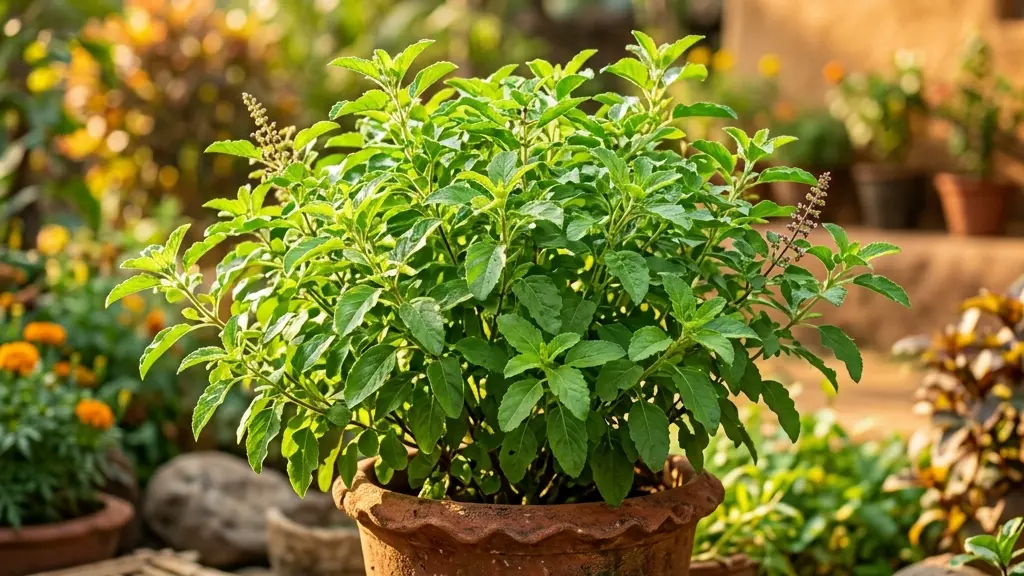
Tulsi (Holy Basil): The Premier Adaptogenic Herb for Respiratory Strength and Emotional Balance
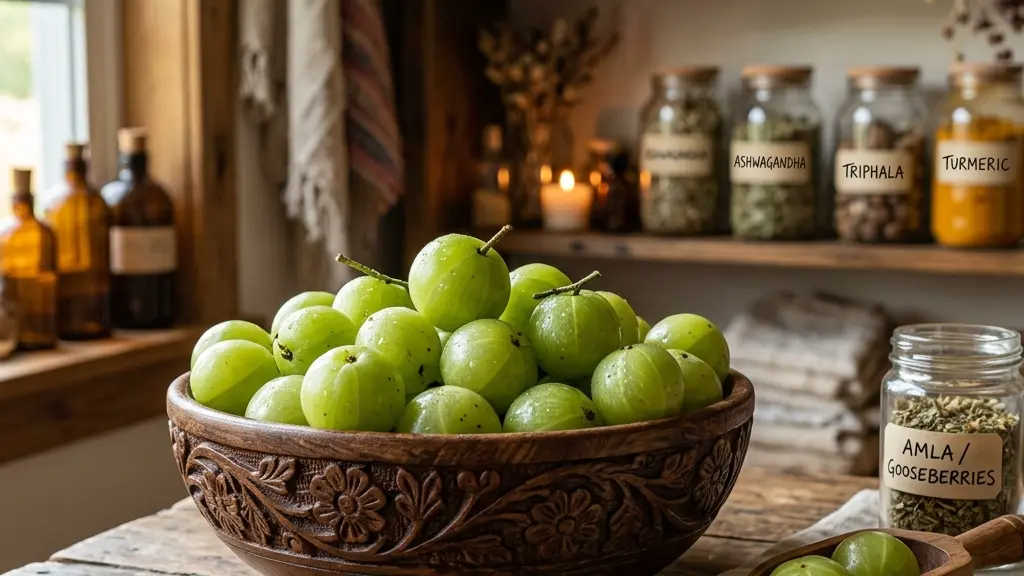
Amalaki (Amla): The Premier Ayurvedic Superfood of Rejuvenation and Natural Vitamin C