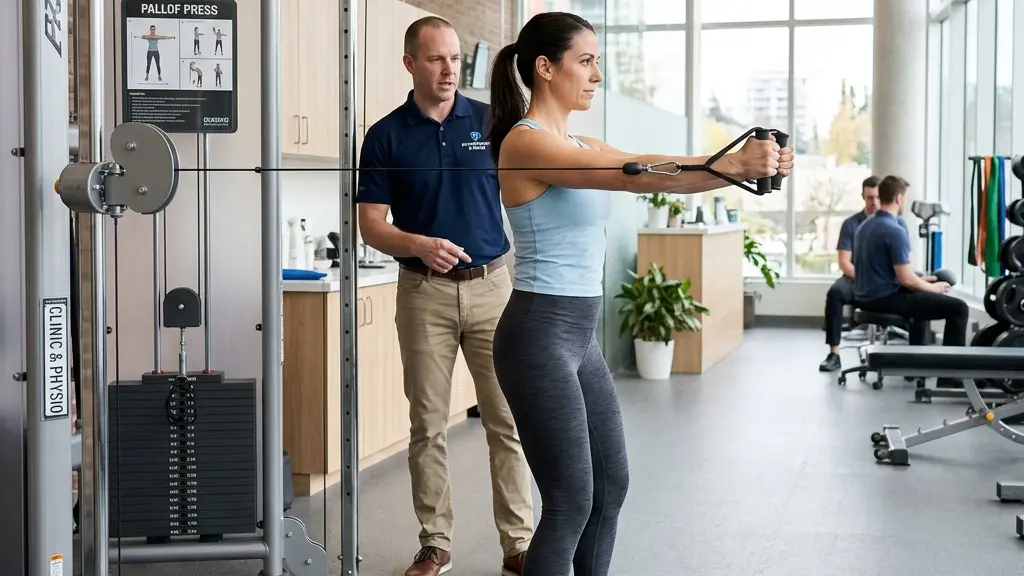
Osteitis Pubis: Pelvic Core Stabilization for Soccer Players
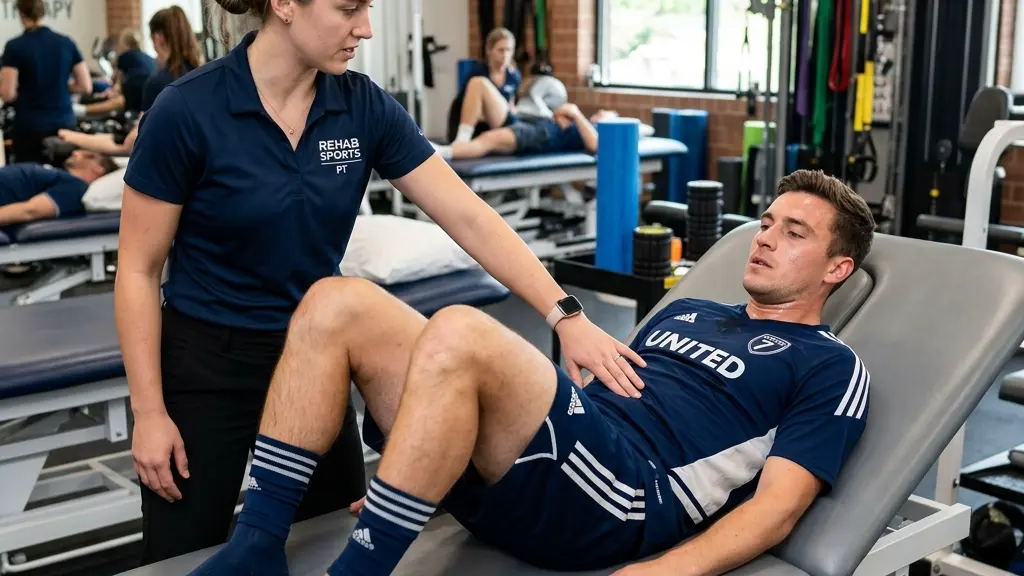
"Your pubic symphysis acts as the suspension bridge of your pelvis—when the cables pull unevenly, the entire structure starts to crack, resulting in chronic joint shear."
If kicking a soccer ball feels like a lightning bolt striking your groin, you are likely dealing with pubic symphysis dysfunction. For high-performance field athletes, chronic groin pain in athletes is one of the most frustrating and misunderstood diagnoses. Standard rehabilitation strategies often fail because they target the symptoms rather than the pelvic biomechanics.
When you sprint, cut, or kick, your pelvis is subjected to intense multidirectional forces. The pubic symphysis is the cartilaginous joint that holds the left and right halves of your pelvis together at the front. If the surrounding abdominal and hip muscles are imbalanced, this joint is subjected to repeated shearing, causing osteitis pubis.
To recover fully, you must avoid passive stretching and focus on active structural stabilization. Initiating a targeted rehabilitation program can cut return-to-play timelines from 12 weeks down to 6 weeks. Let us analyze the muscular imbalances at play and outline the best osteitis pubis rehab exercises to restore pelvic function.
The Biomechanics of Pelvic Shearing in Soccer
Soccer demands explosive movements that place asymmetrical loads on the lower body. During a kick, one leg is planted firmly on the ground while the other is accelerated forward in a wide arc. This creates a powerful rotational torque across the pelvis, concentrated at the pubic symphysis.
Biomechanical studies show that kicking and high-speed cutting increase shearing forces at the pubic joint by up to 230%. The rectus abdominis muscle pulls upward on the pubic bone, while the adductor longus pulls downward and outward. If your core is weak and your adductors are overactive, this muscular tug-of-war inflames the joint.
Aggressive groin stretching only worsens the condition by pulling further on the already irritated joint fibers. Stabilizing pelvic tilt reduces mechanical shear on the pubic joint by 50%. By addressing this imbalance, you can protect the joint and allow the localized inflammation to heal naturally.
- High-speed cutting and kicking motions increase shearing forces at the pubic symphysis by up to 230%.
- Restoring the adductor-to-abductor strength ratio to at least 90% LSI reduces groin injury recurrence by 85%.
- Stabilizing pelvic tilt and correcting anterior pelvic tilt reduces mechanical strain on the pubic joint by 50%.
- Soccer players who initiate active pelvic core stabilization within 2 weeks of symptom onset cut their rehab duration in half.
Why Groin Stretching Delays Your Return to Play
When athletes feel groin tightness, their natural reflex is to perform deep butterfly or side-lunge stretches. However, this tightness is a protective neural response, not a true loss of muscle length. The brain is trying to stiffen the pelvic ring to protect the unstable pubic joint from further shear.
My decisive, clinician-led perspective is that prescribing passive adductor stretching for acute osteitis pubis is a major therapeutic error. Pulling on the adductor tendons increases the vertical tension on the pubic bone, destabilizing the symphysis. To recover, you must replace stretching with isometric strengthening and pelvic stabilization.
Stabilizing the pelvis requires a balance between the anterior core and the posterior gluteal muscles. By strengthening your transversus abdominis and gluteus medius, you create a natural brace. This active support distributes athletic loads evenly, taking the stress off the front of your hips.
"When treating soccer players with groin pain, we cannot focus solely on the adductor muscles. We must analyze the entire kinetic chain. If you have weak glutes, your pelvis will tilt forward during running, forcing the adductors to work twice as hard to stabilize the leg. In my clinic, we focus heavily on active core bracing and closed-chain glute activation before introducing any dynamic leg movements."
Implementing Pelvic Core Stabilization for Soccer
Rebuilding a stable pelvic ring requires a progressive, pain-free approach. The first phase of rehab focus is on isometric adductor activation to maintain muscle tone without loading the joint. This is achieved by squeezing a soft ball between your knees while lying on your back.
Once you can perform isometric holds without pain, you progress to deep abdominal bracing. Exercises like the dead bug train your core to resist rotation and shear while your limbs are moving. This develops the functional stability required to handle the demands of running and cutting.
Finally, you transition to active adductor strengthening exercises combined with hip abductor work. This builds the eccentric strength required to control pelvic motion during high-speed play. Implementing this sequence is essential for a successful pelvic core stabilization soccer protocol.
The Patient: Marcus, a 22-year-old collegiate midfielder, suffered from chronic groin pain that forced him to sit out the second half of the season.
The Mistake: Marcus was doing heavy squats, leg raises, and daily groin stretches, which actively sheared his pubic joint and kept it inflamed.
The Solution: We stopped all stretching and heavy lifting. We introduced isometric adductor ball squeezes, dead bug core progressions, and targeted gluteus medius stabilization exercises.
The Outcome: Marcus was completely pain-free within four weeks. His adductor-to-abductor strength ratio reached 95% LSI, and he returned to full match play at six weeks without recurrence.
Step-by-Step Pubic Symphysis Rehabilitation
Execute this progressive stabilization sequence under clinical supervision. Stop immediately if you feel a sharp pinching, pulling, or deep burning sensation in the center of your groin:
-
1Phase 1: Supine Isometric Adductor Squeezes (3 sets of 10 repetitions, 10-second holds) Lie on your back with your knees bent and feet flat on the floor. Place a soft soccer ball or foam block between your knees. Gently squeeze the ball using 50% of your maximum force, holding for 10 seconds. This builds tendon resilience without joint shear. For safe adductor loading details, see our adductor strengthening guide.
-
2Phase 2: Dead Bug Core Bracing (3 sets of 10 repetitions per side) Lie on your back with arms extended toward the ceiling and knees bent at 90 degrees. Lower your right arm and left leg toward the floor, keeping your lower back pressed firmly against the mat. Return to start and repeat on the opposite side. This trains your core to protect the pelvis. Learn more about core activation in our guide on core stability and injury prevention.
-
3Phase 3: Side-Lying Hip Clamshells (3 sets of 15 repetitions) Lie on your side with hips flexed to 45 degrees and knees bent to 90 degrees, keeping your feet together. Slowly open your top knee as wide as possible without rotating your pelvis, then return to the starting position. This targets the gluteus medius to control lateral pelvic drift. For abductor alignment details, view our guide on gluteus medius stabilization.
Restoring Dynamic Pelvic Integrity
Long-term recovery requires integrating pelvic control into functional movement patterns. Once you complete the isolated stabilization phase, progress to linear jogging and gradual acceleration drills. Ensure your hips remain level during lunges and single-leg landing exercises.
Consistently monitor your symptoms and avoid pushing through sharp groin pain. Building eccentric hip and abdominal strength is your best strategy to prevent chronic pubic joint stress. Stabilize your structural base, balance your muscle pull, and protect your athletic longevity on the field.
Are you stabilizing your pelvic ring before kicking, or are you hoping a simple groin stretch will fix a joint shearing crisis?
Irushi Abeywardhana
Senior Physiotherapist & Founder of Physio Pulse. Senior Clinical Physiotherapist passionate about blending advanced movement science with functional resilience.
Medical Disclaimer
The information provided by AyurPhysio is for general educational and informational purposes only. It is not intended as a substitute for professional medical advice, diagnosis, or treatment. Always seek the advice of your physician or other qualified health providers with any questions you may have regarding a medical condition. Never disregard professional medical advice or delay in seeking it because of something you have read on this website.
Trending Guides
Luka Modrić's Daily Routine: Low-Impact Resistance Training and Midfield Longevity
4 min readHarry Kane's Daily Routine: Hamstring Preservation and Anti-Inflammatory Nutrition
4 min readKarim Benzema's Daily Routine: Cupping Therapy (Hijama) and HIIT Conditioning
4 min readNeymar Jr.'s Daily Routine: Joint Stabilization and Hyperbaric Oxygen Therapy
4 min readMohamed Salah's Daily Routine: Early Morning Conditioning and Hyperbaric Recovery
4 min readWeekly Wellness
Don't miss the next guide
Get holistic health tips and new guides delivered to your inbox.
Related Healing Guides
View All Guides →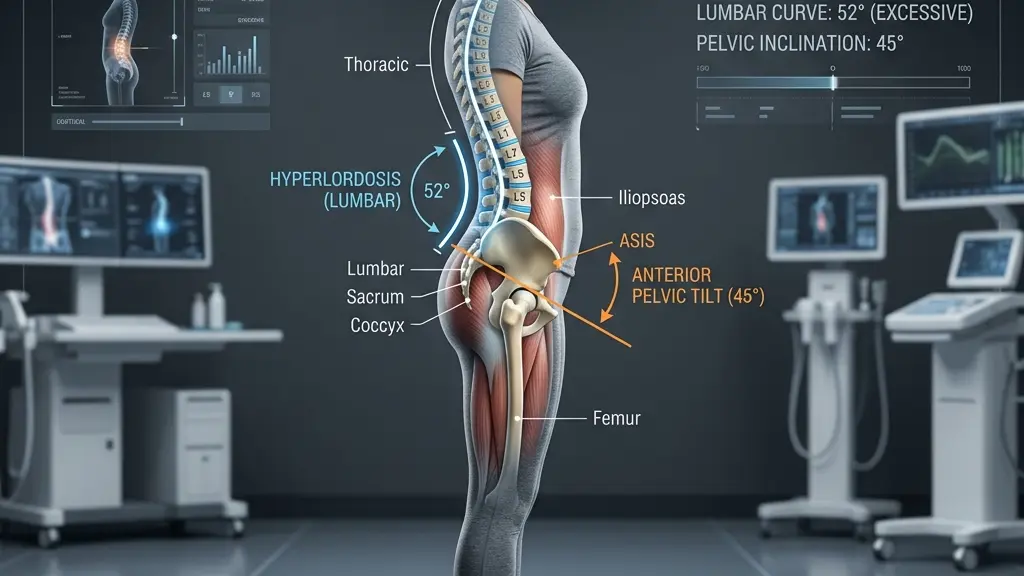
Hyperlordosis: Tailoring Exercise Programs to Reduce Lumbar Shear Stress
Morning Lower Back Stiffness: The Biomechanical Causes and Quick, Safe Fixes