Hip Labral Tears: Core and Glute Stabilization for Joint Conservation
"A torn labrum is not a death sentence for your hip joint. When the rubber gasket of the socket loses its integrity, building a muscular bracket around the pelvis is the key to preventing friction."
If your hip clicks and pinches like an angry stapler every time you squat or lift your leg, you might be dealing with more than a simple muscle strain. Many active individuals treat this deep, sharp groin pain by aggressively stretching their hip flexors, hoping to release the stiffness. However, this stretching often aggravates the joint, turning a minor pinch into chronic inflammation.
The hip labrum is like the circular rubber gasket of your joint socket—if it tears, the joint loses its suction seal, causing the bone to slide like a loose bowling ball. A labral tear occurs when the ring of cartilage that rims your socket is damaged. In the majority of athletic cases, this tear is driven by minor structural variations or poor pelvic stability, leaving the cartilage vulnerable to pinching during deep hip flexion.
To avoid surgery and keep your joint healthy, we must shift our focus to hip joint conservation therapy. By stabilizing the pelvic ring and building deep core strength, we can keep the head of the femur centered in the socket, stopping joint wear. In this guide, we will break down the mechanics of labral tears and outline a targeted stabilization protocol.
The Biomechanics of Hip Stability
Your hip is a deep ball-and-socket joint designed to bear your body weight while allowing a wide range of motion. The labrum plays a crucial role in this system by deepening the socket, distributing joint pressure, and sealing the synovial fluid inside to lubricate the cartilage.
The labrum increases the surface area of the joint by 28% and deepens the socket by 21%. When the labrum tears, this suction seal is broken, shifting the load onto the bony edges of the joint. Up to 85% of all hip labral tears are associated with Femoroacetabular Impingement (FAI), where abnormal bone shapes create constant friction.
When the pelvic stabilizers are weak, the femur drifts forward in the socket during movement, putting pressure on the front of the labrum. This anterior glide is amplified by tight hip flexors and weak glutes. To protect the joint, the surrounding muscles lock up, creating the sensation of tight hips that leads many to stretch the joint further.
- 1Rehab SuccessAn 8-week structured exercise program shows a 70% success rate in returning athletes to play without surgical intervention.
- 2Socket SupportThe labrum provides 21% of the joint's stability by deepening the socket and keeping the femur centered.
- 3FAI AssociationApproximately 85% of labral tears occur alongside FAI, highlighting the role of bone shape in joint wear.
The Clinical Opinion: Stop Deep Stretching
"Many patients seek surgery immediately after an MRI reveals a labral tear. However, cleaning up the tear without addressing pelvic alignment and glute weakness is like changing a flat tire without fixing the steering alignment. If you have a labral tear, you must stop doing deep, passive hip stretches. Aggressive hip flexion and rotation pinch the torn labrum, delaying healing. Focus on building dynamic pelvic stability instead."
The Hip Conservation Protocol
This protocol focuses on building core control and glute strength for hip pain to prevent the femur from gliding forward and pinching the labrum.
- 1Supine Clamshells with TVA ActivationLie on your side with knees bent at 90 degrees and feet stacked. Draw your lower abdomen inward to lock your pelvis. Keeping your feet together, slowly lift your top knee without rotating your lower back. Hold for 2 seconds at the top. Perform 3 sets of 15 repetitions on each side. This targets the deep external rotators to stabilize the femoral head.
- 2Prone Hip Extension (Glute Squeeze)Lie on your stomach with a pillow under your pelvis to keep your lower back flat. Squeeze your glute and lift one leg 3 inches off the floor, keeping your knee straight. Hold for 5 seconds, then lower. Perform 3 sets of 12 repetitions on each side. This strengthens the gluteus maximus, pulling the femur backward and relieving pressure on the front of the joint.
- 3Single-Leg Standing Balance with Hip HikingStand on one leg on a small step, keeping your pelvis level. Slowly drop your opposite hip down, then squeeze the glute of your standing leg to lift your hip back to neutral. Perform 3 sets of 10 repetitions per side. This builds lateral hip stability to prevent joint shear during daily activities.
Managing FAI and Pelvic Tilts
Successful management of femoroacetabular impingement rehab requires correcting structural tilts that place the hip in a pinched position. An excessive anterior pelvic tilt shifts the socket forward, reducing the space available for the femoral head during movement. Correcting this tilt through abdominal strengthening and pelvic tuck drills opens up the joint space, allowing the labrum to heal without constant irritation. Incorporating hip labral tear exercises into your daily routine provides a safe path to recovery.
The Patient: Marcus, a 28-year-old amateur soccer player experiencing deep groin pain and clicking during deep squats.
The Mistake: Marcus spent weeks performing deep hip flexor stretches and squats, which pinched the anterior labrum and worsened his pain.
The Solution: Marcus avoided deep squats and passive stretching. He focused on prone hip extensions, clamshells, and pelvic control drills to stabilize his hip joint.
The Outcome: Marcus reported a 90% reduction in pain within six weeks, and returned to soccer without joint clicking.
Maintaining Long-Term Joint Integrity
Protecting a compromised hip joint requires coordinate pelvic control. Balancing the muscles around the pelvis ensures that your hip can move freely without overloading the labral cartilage.
To learn how to support pelvic stability, read our guide on sacroiliac joint stabilizing stretches. For anterior tilts, check our guide on anterior pelvic tilt correction, and strengthen your core with our foundational core stability exercises to protect your joints during daily activities.
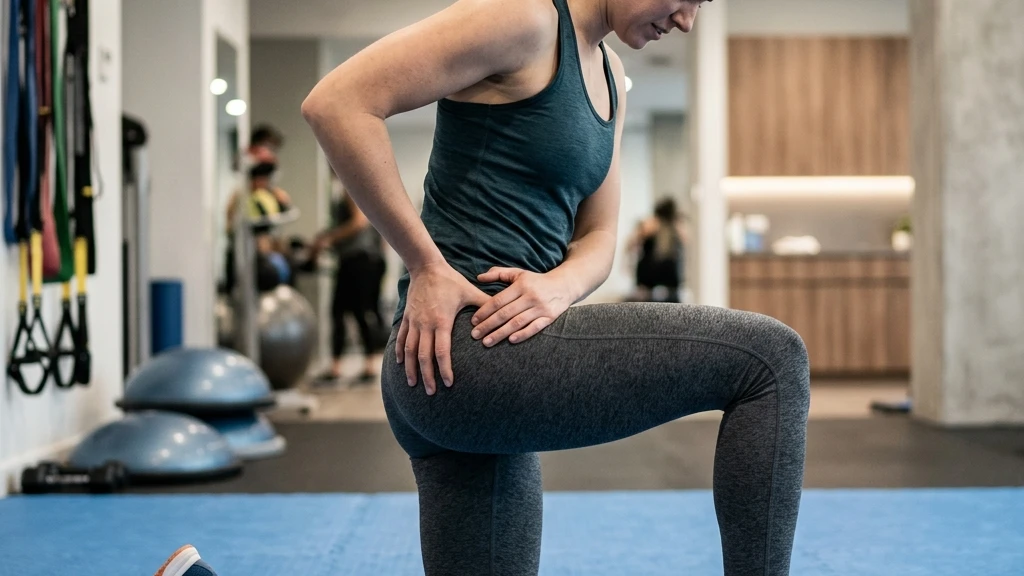
Featured image: High-resolution clinical photo of an athlete performing pelvic and hip stabilization exercises on a gym mat. Created for AyurPhysio editorial use.
Irushi Abeywardhana
Senior Physiotherapist & Founder of Physio Pulse. Senior Clinical Physiotherapist passionate about blending advanced movement science with functional resilience.
Medical Disclaimer
The information provided by AyurPhysio is for general educational and informational purposes only. It is not intended as a substitute for professional medical advice, diagnosis, or treatment. Always seek the advice of your physician or other qualified health providers with any questions you may have regarding a medical condition. Never disregard professional medical advice or delay in seeking it because of something you have read on this website.
Trending Guides
Luka Modrić's Daily Routine: Low-Impact Resistance Training and Midfield Longevity
4 min readHarry Kane's Daily Routine: Hamstring Preservation and Anti-Inflammatory Nutrition
4 min readKarim Benzema's Daily Routine: Cupping Therapy (Hijama) and HIIT Conditioning
4 min readNeymar Jr.'s Daily Routine: Joint Stabilization and Hyperbaric Oxygen Therapy
4 min readMohamed Salah's Daily Routine: Early Morning Conditioning and Hyperbaric Recovery
4 min readWeekly Wellness
Don't miss the next guide
Get holistic health tips and new guides delivered to your inbox.
Related Healing Guides
View All Guides →
Hyperlordosis: Tailoring Exercise Programs to Reduce Lumbar Shear Stress
Morning Lower Back Stiffness: The Biomechanical Causes and Quick, Safe Fixes