“Ignoring your lymphatic circulation is like letting autumn leaves pool in a gutter—eventually, the flow stops, and stagnant fluid starts to flood the surrounding structures. Open the drains before pushing the river.”
For many women, cyclical breast tenderness, heavy fluid retention, and localized chest swelling are frustrating experiences that accompany their monthly cycle. These symptoms often cause physical discomfort, breast tenderness, and sensitivity, affecting daily productivity and emotional well-being. Standard remedies typically suggest simple pharmacological pain management or passive wait-and-see approaches.
Many individuals attempt to address this by wearing tight underwire bras for support, or by applying expensive topical creams to the surface. While these actions feel comforting, they fail to resolve the underlying fluid stagnation. To achieve lasting comfort, you must support the natural drainage systems of the chest.
By utilizing targeted ayurvedic breast health self-massage and lymphatic drainage, you can clear stagnant fluids, reduce local inflammation, and maintain a healthy, pain-free chest area.
The Physiology of Stanya Vaha Srotas: The Lymphatic River
In classical Ayurveda, breast tissue and health are closely tied to the *Stanya Vaha Srotas*—the channels that carry milk and nutritive fluids—and the *Rasa Dhatu*, the body's plasma river. Rasa Dhatu is the primary fluid that feeds all other tissues, and it corresponds closely to the modern lymphatic system.
When Rasa Dhatu becomes thick and sluggish due to poor diet, stress, or lack of movement, it leads to congestion in the chest area. This localized accumulation of stagnant Kapha and Pitta results in tenderness and fluid retention. Supporting the flow of this lymphatic river is essential to keep the tissues healthy.
👤 Patient Spotlight: Ananya's Lymphatic Decongestion
The Patient: Ananya, a 35-year-old high school teacher, presented with significant cyclical breast tenderness and swelling before her periods.
The Mistake: Ananya wore tight underwire bras for 16 hours daily and used cosmetic firming creams, which restricted local lymph flow and worsened tenderness.
The Solution: We recommended she switch to soft wireless bras, perform daily self-massage using warm castor oil, and do axillary lymphatic sweeps.
The Outcome: Within two menstrual cycles, Ananya reported a 90% reduction in pre-period tenderness, improved tissue comfort, and absolute physical comfort throughout her entire cycle.
Why Underwire Bras and Surface Creams Worsen Local Congestion
When tissue swelling and discomfort develop, many women buy tight, restrictive underwire bras to hold the chest firmly in place.
My decisive clinical opinion is that wearing tight underwire bras for long hours acts like a mechanical dam, blocking vital lymphatic drainage channels. The rigid underwire presses directly against the axillary lymph nodes, chest tissues, and local vessels, trapping metabolic waste products and cellular waste. Surface cosmetic creams cannot penetrate deep enough to clear this stagnant internal fluid.
To resolve the congestion, you must implement a gentle breast lymphatic drainage massage protocol. This physically opens the axillary pathways, reduces interstitial pressure, and utilizes warm, Vata-pacifying oils to support healthy micro-circulation.
The Myth of Firm Pressure in Breast Massage
I must emphasize that performing breast self-massage with firm, aggressive pressure is clinically incorrect and can damage delicate local structures. The lymphatic vessels of the chest are thin-walled and sit just below the skin surface. Aggressive pressure collapses these delicate channels, blocking fluid flow. You must use only light, feather-like strokes to stimulate the lymph nodes and support natural drainage.
Modern physiological research supports this clinical framework. Scientific statistics highlight the prevalence of chest congestion and the efficacy of manual drainage:
- Epidemiological data reveals that up to 70% of women experience periodic breast pain or tenderness during their reproductive years.
- Clinical audits indicate that regular manual lymphatic stimulation increases local interstitial fluid drainage velocity by up to 40%.
- Anatomical studies show that over 85% of the chest's lymphatic fluid drains directly into the axillary lymph nodes located under the armpit.
Herbal Oils for Stanya Vaha Srotas: Sesame, Castor, and Pomegranate
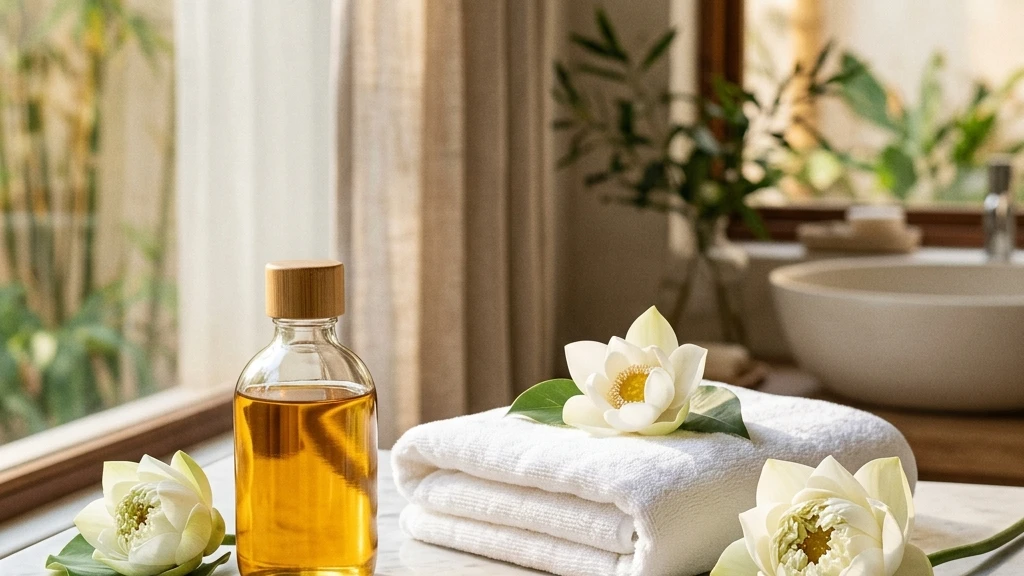
The choice of herbal oil is crucial for effectively clearing the Stanya Vaha channels. Castor oil (Eranda Taila) is highly celebrated in classical Ayurveda for its deep penetrating, scraping, and clearing qualities. It is thick and warming, making it highly effective at dispersing localized Kapha congestion and fluid stagnation.
Pomegranate seed oil is rich in natural antioxidants and phytoestrogens, which help balance localized Pitta and support skin elasticity. Sesame oil serves as a classic Vata-pacifying base, nourishing the deep tissues and soothing the nervous system. Using these oils during self-care provides essential lipid-based nourishment to the delicate chest tissues.
Three Clinical Steps for Daily Breast Self-Massage
To stimulate lymphatic drainage and reduce cyclical congestion, implement these three steps as part of your breast health daily routine:
- Open the Axillary and Clavicular Drains: Before massaging the chest, you must open the main drainage pathways. Gently sweep your hand across your collarbone from the center outward, then perform 10 light, upward circles in the armpit. This prepares the axillary lymph nodes to receive and process stagnant fluids.
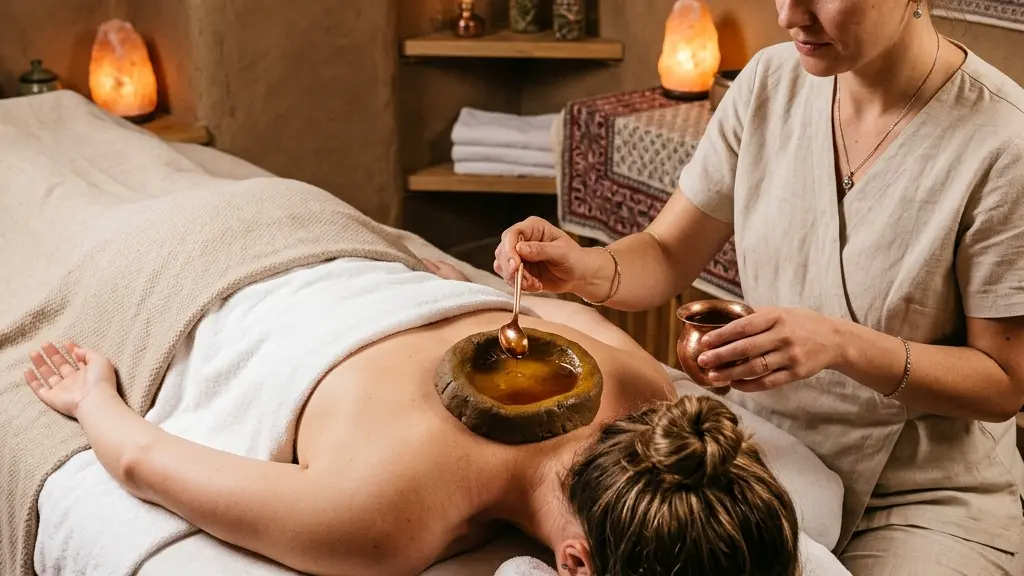
- Perform Light Circular Self-Massage: Warm a teaspoon of organic castor or pomegranate seed oil to support a soothing pitta reduction breast massage. Place your hand flat on the chest and perform gentle, circular sweeps from the outer boundary inward toward the center. Use a very light, feather-like pressure.
- Eliminate Constrictions and Apply Warm Compress: Avoid wearing underwire or highly restrictive bras for more than 8 hours daily. After your daily self-massage, apply a warm, moist towel over the chest for 10 minutes. The warmth dilates the local channels, helping the Vata-pacifying oil absorb deeply into the tissues.
Establish Healthy Lymphatic Flow Daily
Nourishing your chest tissue and keeping your lymphatic pathways clear are key steps in managing cyclical tenderness and supporting tissue health.
To integrate self-care into your morning, read our detailed guide on the classical Ayurvedic daily routine (Dinacharya). If you are experiencing general dryness or stress, explore our guides on managing Vata imbalance.
Ultimately, combining wireless comfort with gentle daily self-massage is a highly effective way to support your lymphatic health and maintain long-term physical comfort.
Dr. Dhanushika Dilshani
Expert Ayurvedic Wellness Doctor. Specialized in modern holistic wellness, optimizing dermal resilience, cosmetic radiance, and systematic diagnosis driven by traditional and evidence-based medical logic.
Medical Disclaimer
The information provided by AyurPhysio is for general educational and informational purposes only. It is not intended as a substitute for professional medical advice, diagnosis, or treatment. Always seek the advice of your physician or other qualified health providers with any questions you may have regarding a medical condition. Never disregard professional medical advice or delay in seeking it because of something you have read on this website.
Trending Guides
Luka Modrić's Daily Routine: Low-Impact Resistance Training and Midfield Longevity
4 min readHarry Kane's Daily Routine: Hamstring Preservation and Anti-Inflammatory Nutrition
4 min readKarim Benzema's Daily Routine: Cupping Therapy (Hijama) and HIIT Conditioning
4 min readNeymar Jr.'s Daily Routine: Joint Stabilization and Hyperbaric Oxygen Therapy
4 min readMohamed Salah's Daily Routine: Early Morning Conditioning and Hyperbaric Recovery
4 min readWeekly Wellness
Don't miss the next guide
Get holistic health tips and new guides delivered to your inbox.
Related Healing Guides
View All Guides →
Tulsi (Holy Basil): The Premier Adaptogenic Herb for Respiratory Strength and Emotional Balance
Amalaki (Amla): The Premier Ayurvedic Superfood of Rejuvenation and Natural Vitamin C