Osteoporosis in Postmenopausal Women: Rebuilding Bone Density Through PT
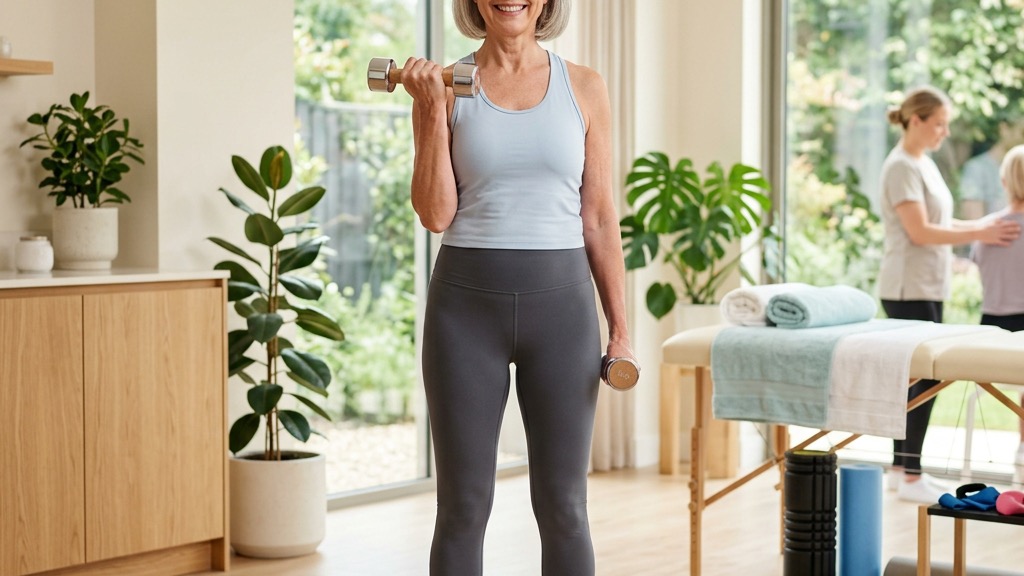
"Think of your living skeleton not as a static lump of geological stone, but as an active high-interest bank account. In the postmenopausal years, biological forces attempt to withdraw resources aggressively. If you do not actively force 'deposits' through mechanical loading, the account defaults."
Receiving a diagnosis of Osteoporosis or Osteopenia after a routine DEXA scan can be terrifying. Instantly, patients envision themselves as fragile glass sculptures, fearful that a single misstep, sneeze, or lifting a bag of groceries will cause an irrevocable fracture. Historically, we encouraged postmenopausal women to retreat from the gym, prioritizing swimming or soft yoga to stay "safe."
However, this retreat into inactivity is precisely the wrong move. Modern clinical science reveals that bone is an actively responsive piezoelectric tissue. It requires compression to thrive. Just as your muscles hypertrophy under load, your bones manufacture crystalline density ONLY when targeted forces tell them it is required for survival.
By actively utilizing clinical strength protocols, specifically rebuilding bone density through PT, you can shift your metabolic gear into high deposit mode. Armed with high-load resistance, you can outsmart hormonal declines and build a structural chassis that lasts a lifetime.
The Menopause Dynamic: Why Estrogen Triggers Bone Loss
During our premenopausal years, estrogen serves as the ultimate structural guardian. It actively inhibits osteoclasts—the specialized cleaner cells that eat up old bone tissue. When estrogen drops precipitatiously during the menopausal transition, the cleaner cells are left unchecked, rapidly dissolving bone faster than our osteoblasts (builder cells) can pour new foundation.
This creates the condition known as osteoporosis in postmenopausal women. It typically results in trabecular thinning inside the hip, wrist, and lumbar spine—leaving you theoretically vulnerable to catastrophic breakages.
To appreciate the clinical urgency of targeted loading, review existing endocrinological metrics:
- Annual Density Drop: In the first five to seven years after the onset of menopause, women can lose up to 20% of their entire total body bone mass.
- The Loading Required: To stimulate osteogenesis (new bone construction), a force of upwards of 4.18 times body weight must occasionally transit through the skeletal matrix to trigger remodeling signals.
- Fracture Prevention: Increasing dynamic muscle strength in the legs by merely 20% drops the risk of suffering a clinical hip fracture by upwards of 50% functional probability due entirely to better balance reflex times.
Waiting to take calcium supplements is insufficient. To build actual density, you must mathematically generate sufficient mechanical strain on the bone tissue itself.
Why Swimming and Light Stretching are Failing Your Skeleton
When patients with osteopenia enter the clinic, they are often proud of their regular "aqua aerobics" or slow-paced flexibility classes. They are operating under the widespread health-trend assumption that movement automatically ensures strength.
My strong authoritative professional opinion is that low-impact cardio, like swimming and cycling, does absolutely nothing to build bone density and can actually accelerate the osteoporosis condition by failing to apply gravity. In the water, you are buoyant; your bones are essentially on vacation. They register zero mechanical compression and therefore feel no imperative to get stronger.
To effectively reverse a negative T-score, you must subject your bones to the force of gravity. You must gradually transition to high-intensity resistance and safe impact loading. You cannot float your way to a strong skeleton.
The Patient: Margaret, a 58-year-old retired teacher, had a Lumbar T-Score of -2.6, classifying her as clinically osteoporotic. She felt frail and was too scared to even lift her 15-pound grandchild.
The Mistake: Encouraged to be "safe," Margaret exclusively performed water walking and sat on a stationary bicycle, while taking massive calcium supplements that upset her digestion.
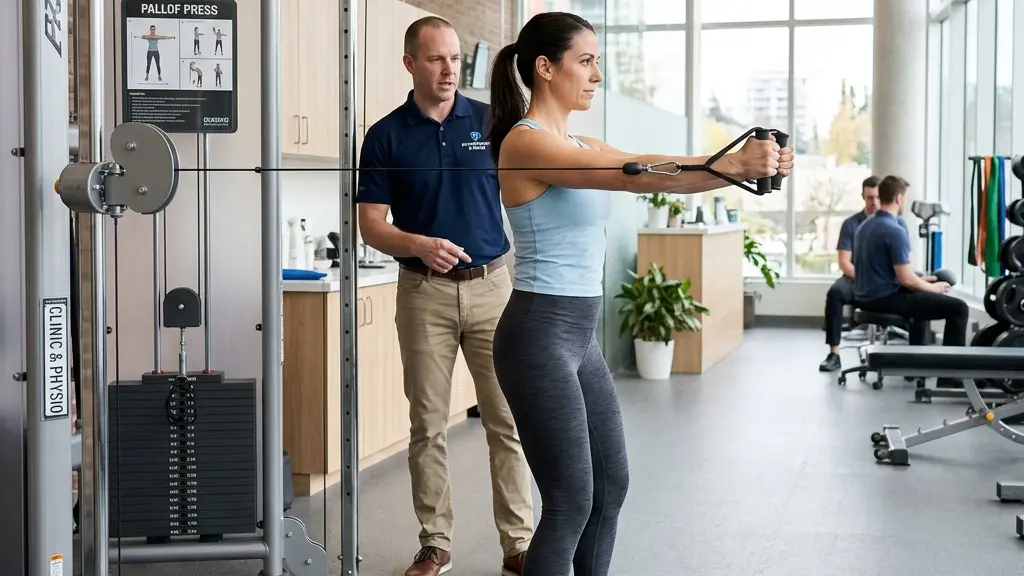
The Solution: Under rigorous clinical supervision, we introduced progressive heavy resistance lifting. We began with light weight squatting, progressed gradually to overhead pressing, and safely introduced short bouts of heavy axial deadlifting (lifting 80% of her capacity 5 times).
The Outcome: After 12 months of consistent, heavy mechanical loading, Margaret’s follow-up DEXA scan showed an incredible 2.9% increase in lumbar density and a 2.1% increase in femoral neck density, returning her baseline to the much safer osteopenic range.
Three Fundamental Cornerstones of Bone Density Rehab
To master the best exercise for bone density, prioritize these mechanical load categories daily and weekly:
-
1Progressive Weight Lifting (Structural Strain) Twice a week, pick up weight heavy enough that you struggle to do it 8 times in a row. Squats, deadlifts, and overhead presses force the axial skeleton to compress. This compression signals your bone cells that the environment is challenging, compelling them to deposit fresh mineral matrix to fortify themselves.
-
2Safe High-Impact Loading (Heel Drops) Stand upright and rise quickly onto the balls of your feet, then immediately let your heels drop and strike the floor sharply. This distinct "shock" of impact sends rapid vibration signals up through the leg and hip bones, triggering massive osteoblastic action. Perform 10 heel drops twice daily.
-
3Multi-Directional Balance Drills (Fall Prevention) Building density takes time; preventing falls yields immediate survival benefits. Practice standing on a single leg on a soft foam cushion while gently tossing a ball back and forth. Increasing your proprioceptive response makes you 3 times less likely to fall when you slip on an icy pavement.
Live With Fearless Fortitude
A diagnosis of Osteoporosis doesn't signal the dusk of physical capability; it serves as the starting gun for developing real, resilient power. By refusing to treat your body as fragile, and choosing to load your frame safely with professional clinical wisdom, you build a literal shield of steel beneath your skin. Build strong bones today and walk gracefully into every subsequent decade of life with fearless confidence.
Irushi Abeywardhana
Senior Physiotherapist & Founder of Physio Pulse. Senior Clinical Physiotherapist passionate about blending advanced movement science with functional resilience.
Medical Disclaimer
The information provided by AyurPhysio is for general educational and informational purposes only. It is not intended as a substitute for professional medical advice, diagnosis, or treatment. Always seek the advice of your physician or other qualified health providers with any questions you may have regarding a medical condition. Never disregard professional medical advice or delay in seeking it because of something you have read on this website.
Trending Guides
Luka Modrić's Daily Routine: Low-Impact Resistance Training and Midfield Longevity
4 min readHarry Kane's Daily Routine: Hamstring Preservation and Anti-Inflammatory Nutrition
4 min readKarim Benzema's Daily Routine: Cupping Therapy (Hijama) and HIIT Conditioning
4 min readNeymar Jr.'s Daily Routine: Joint Stabilization and Hyperbaric Oxygen Therapy
4 min readMohamed Salah's Daily Routine: Early Morning Conditioning and Hyperbaric Recovery
4 min readWeekly Wellness
Don't miss the next guide
Get holistic health tips and new guides delivered to your inbox.
Related Healing Guides
View All Guides →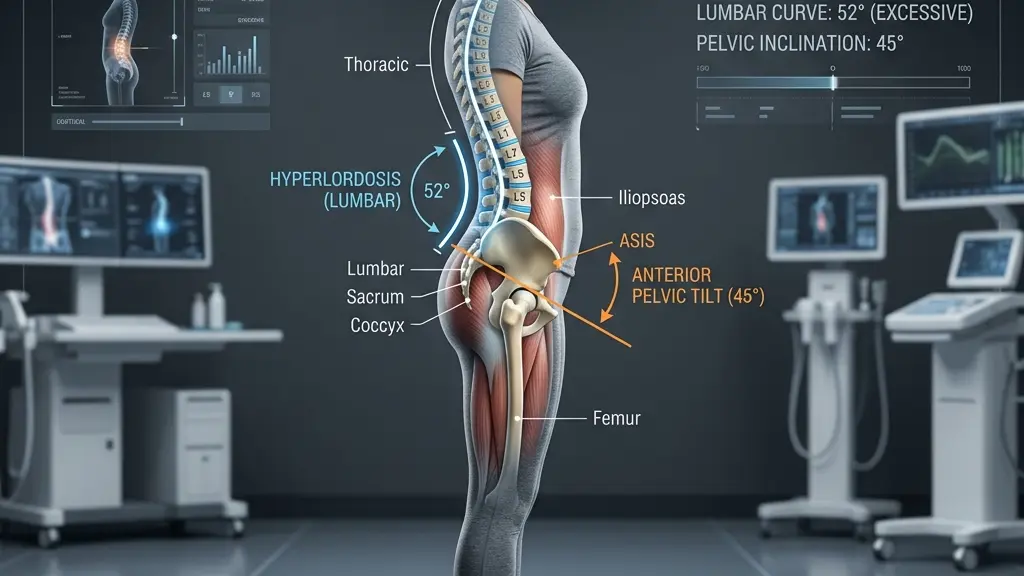
Hyperlordosis: Tailoring Exercise Programs to Reduce Lumbar Shear Stress
Morning Lower Back Stiffness: The Biomechanical Causes and Quick, Safe Fixes