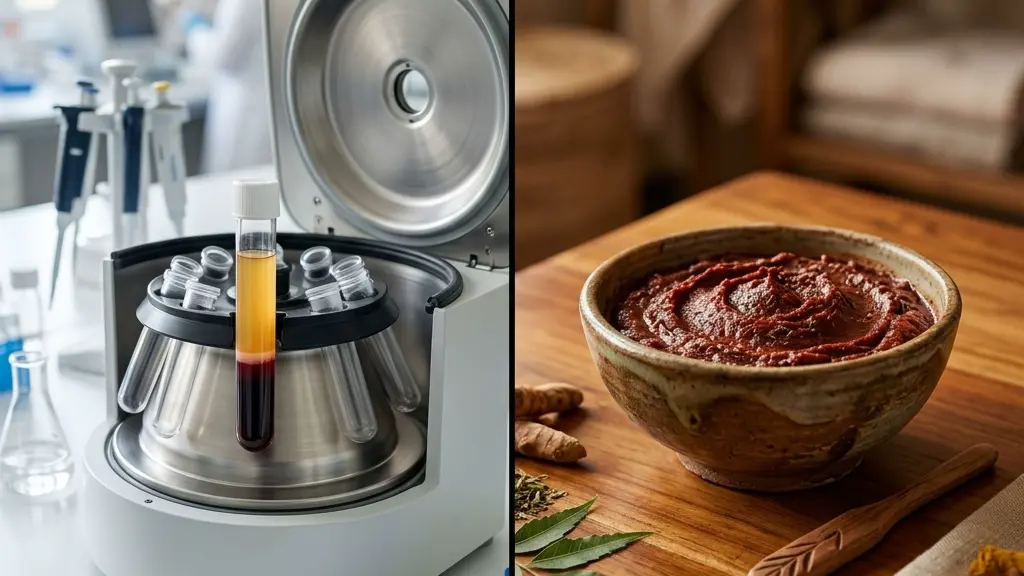
"Injecting PRP into a tendon is like spraying liquid fertilizer directly onto patches of dry lawn—it signals the cells to grow and repair immediately. Blood is not just transport piping; it is a vital river carrying the body's natural defense forces, waiting to build a cellular fortress wherever there is damage."
In the rapidly evolving landscape of integrative medicine and holistic healing, platelet rich plasma prp therapy has emerged as a frontrunner for treating chronic tendon, ligament, and joint injuries. Elite athletes and active individuals alike are turning to this autologous treatment to accelerate healing in tissues that historically recover slowly. By extracting a patient's own blood and concentrating its platelets, clinicians attempt to supercharge the natural tissue repair cascade.
However, many patients who undergo PRP therapy encounter inconsistent results. Some report near-instant pain relief and rapid recovery, while others experience no functional improvement. From an Ayurvedic and biological perspective, this variation is not random. The clinical reality is that the efficacy of autologous growth factors depends entirely on the biological quality of the patient's blood—a concept that directly aligns with the Ayurvedic understanding of rakta dhatu blood healing.
By evaluating the physiology of autologous growth factors joint stabilization alongside classical Ayurvedic principles, we can optimize this modern treatment. Recognizing how general health influences blood quality allows us to prepare patients for superior clinical outcomes.
The Science of PRP: Concentrating the Body's Repair Signals
The biological rationale behind PRP therapy is simple yet elegant. Platelets are small, non-nucleated cell fragments in blood that play a vital role in clotting. However, they also serve as reservoirs for bioactive proteins, including platelet-derived growth factor, transforming growth factor, and vascular endothelial growth factor. These proteins act as chemical messengers that recruit stem cells, stimulate collagen synthesis, and promote new blood vessel growth.
Under normal conditions, tissues like tendons and cartilage have a poor blood supply, which limits their natural recovery capacity. PRP therapy attempts to bypass this limitation. By spinning a blood sample in a centrifuge, clinicians separate the red blood cells from the plasma, concentrating the platelets far beyond baseline values. Injecting this concentrated formula directly into the injured site delivers a massive dose of healing signals to the damaged tissue.
Yet, PRP therapy is only as good as the donor's biology. If a patient is chronically stressed, sleep-deprived, or poorly nourished, their blood will lack the dense concentration of growth factors required to trigger repair. To achieve true ojas revitalization tissue healing, the systemic cellular quality of the blood must be optimized before extraction.
Clinical data and trials demonstrate the mechanical and physiological effects of concentrated platelets on tissue repair:
- PRP preparation protocols concentrate platelets up to 5 to 10 times their normal baseline concentrations.
- Clinical sports medicine trials indicate that local tendon healing times can be reduced by 40% when growth factor levels are optimized.
- In Ayurvedic physiology, the blood tissue (Rakta Dhatu) requires exactly 30 days of sequential metabolic transformation to mature into immune reserves (Ojas).
The Ayurvedic Parallel: Rakta Dhatu and the Genesis of Ojas
In classical Ayurveda, blood is not merely a transport fluid; it is a vital tissue known as Rakta Dhatu. Rakta Dhatu is responsible for Jeevana—the maintenance of life force, cellular vitality, and structural nourishment. The quality of Rakta Dhatu is directly determined by the strength of the metabolic fire (Agni) and the quality of food digested.
When Rakta Dhatu is pure and well-nourished, it represents the biological foundation for the creation of Ojas—the ultimate refined product of digestion that governs tissue resilience, immunity, and cellular healing. In contrast, if the blood is compromised by toxic digestive residue (Ama) or systemic inflammation, the resulting Ojas is weak, manifesting as chronic joint pain, poor tissue repair, and delayed healing.
When comparing prp vs ayurvedic bloodletting (Raktamokshana), we find an intriguing conceptual overlap. Traditional bloodletting was designed to remove stagnated, inflamed blood from a congested area, thereby reducing local pressure and stimulating the marrow to produce fresh, nutrient-dense blood. Modern PRP therapy takes the opposite approach: instead of removing congested blood, it extracts healthy blood, concentrates its vital elements, and re-introduces them to stimulate regeneration. Both therapies recognize that the blood is the primary vehicle for tissue renewal.
Three Clinical Steps to Maximize PRP and Tissue Repair
To prepare your body's chemistry and blood quality for successful PRP therapy and tissue regeneration, implement these three clinical steps:
-
1Purify Rakta Dhatu Through Targeted Nutrition For 30 days prior to blood extraction, consume an anti-inflammatory diet rich in dark leafy greens, beets, and iron-dense foods. Avoid refined sugars, alcohol, and trans fats, which impair platelet function and increase systemic inflammation. Rehydrating with clean water ensures optimal plasma volume.
-
2Support Blood Quality with Medicated Lepas Apply traditional cooling herbal pastes (lepas) containing turmeric and sandalwood over the affected joint or tendon. Local application helps reduce tissue congestion and improves micro-circulation, ensuring that when PRP is injected, the local environment is receptive to the growth factors.
-
3Restore Autonomic Balance and Sleep Hygiene Achieve at least 8 hours of quality sleep nightly to lower systemic cortisol levels. High cortisol inhibits platelet activation and compromises the concentration of growth factors in the blood. Restoring autonomic balance allows the body to prioritize anabolic repair and tissue synthesis.
Uniting Modern Biotechnology with Traditional Wisdom
Autologous healing therapies represent a major advance in sports medicine, yet their success is deeply rooted in the overall biological health of the patient.
To support deep tissue healing with warm medicated oils, read our guide on Mahanarayan oil massage for myofascial healing. To understand the sequential nourishment of body tissues through Ayurvedic protocols, explore our guide on Rasayana therapies for tissue revitalization.
But as you optimize the healing quality of your blood and tissues, how do your daily habits and environmental rhythms protect your systemic vitality?
Dr. Dhanushika Dilshani
Expert Ayurvedic Wellness Doctor. Specialized in modern holistic wellness, optimizing dermal resilience, cosmetic radiance, and systematic diagnosis driven by traditional and evidence-based medical logic.
Medical Disclaimer
The information provided by AyurPhysio is for general educational and informational purposes only. It is not intended as a substitute for professional medical advice, diagnosis, or treatment. Always seek the advice of your physician or other qualified health providers with any questions you may have regarding a medical condition. Never disregard professional medical advice or delay in seeking it because of something you have read on this website.
Trending Guides
Luka Modrić's Daily Routine: Low-Impact Resistance Training and Midfield Longevity
4 min readHarry Kane's Daily Routine: Hamstring Preservation and Anti-Inflammatory Nutrition
4 min readKarim Benzema's Daily Routine: Cupping Therapy (Hijama) and HIIT Conditioning
4 min readNeymar Jr.'s Daily Routine: Joint Stabilization and Hyperbaric Oxygen Therapy
4 min readMohamed Salah's Daily Routine: Early Morning Conditioning and Hyperbaric Recovery
4 min readWeekly Wellness
Don't miss the next guide
Get holistic health tips and new guides delivered to your inbox.
Related Healing Guides
View All Guides →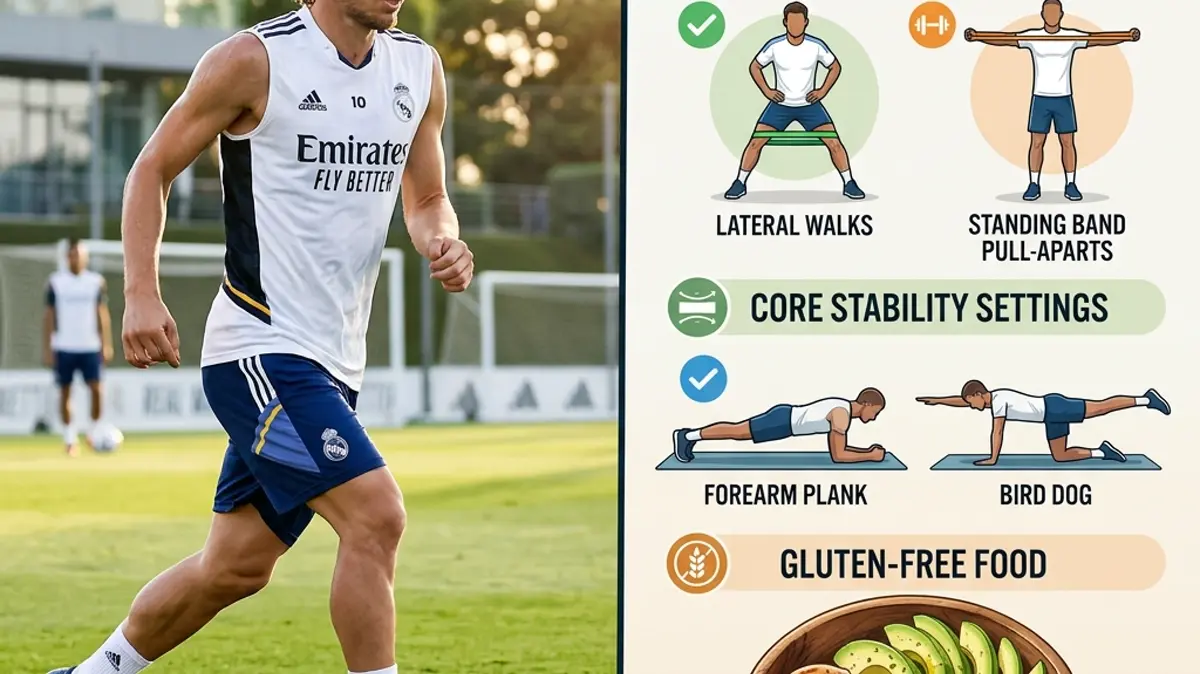
Luka Modrić's Daily Routine: Low-Impact Resistance Training and Midfield Longevity
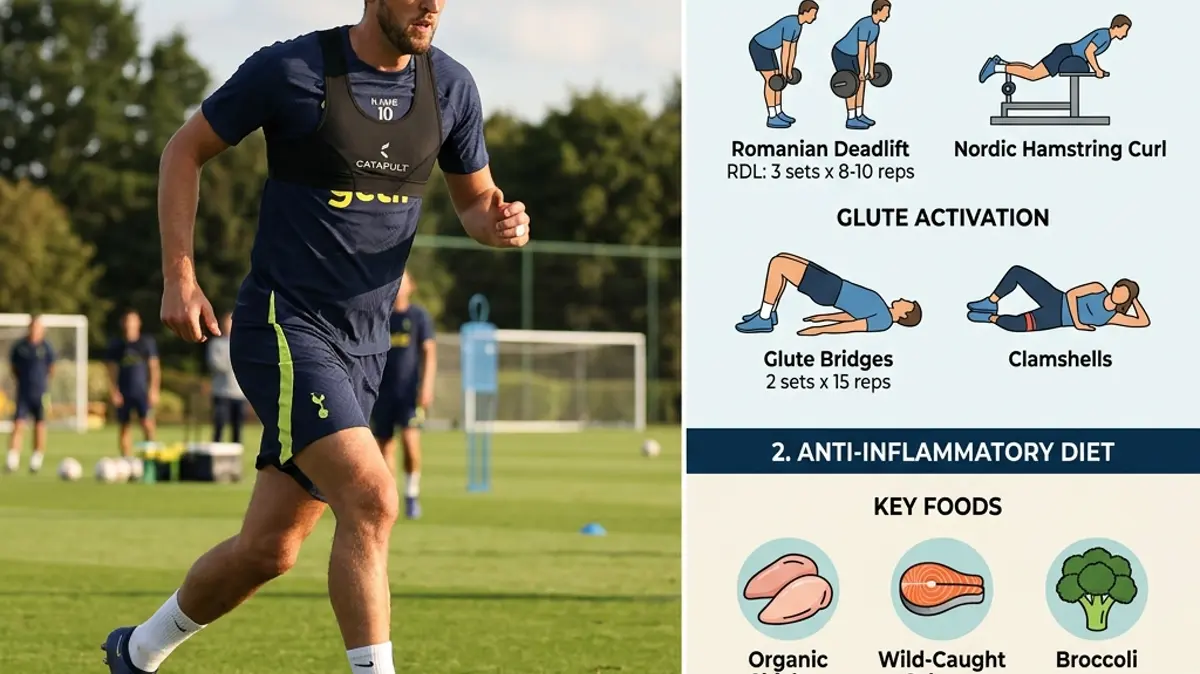
Harry Kane's Daily Routine: Hamstring Preservation and Anti-Inflammatory Nutrition