"Running your body on pure ketones is like heating your house by burning the fine wooden furniture—it works in an emergency, but eventually, you run out of fuel. A body depleted of fat and carbohydrates is like a dried-out autumn leaf—light and easily carried by the wind, but brittle and ready to crumble."
If you have scrolled through wellness blogs recently, you have likely encountered the meteoric rise of the ketogenic diet trend keto. Promoted as the ultimate metabolic hack for fat loss, cognitive focus, and sustained physical energy, this low-carbohydrate, high-fat regime has taken the global health industry by storm. Millions are stripping grains, fruits, and root vegetables from their plates, replacing them with butter, oils, and meats to force their bodies into ketosis.
While immediate weight reduction feels miraculous, many practitioners eventually encounter a wall of unexplained fatigue, dry skin, severe hair loss, and heightened anxiety. In classical Ayurvedic medicine, these symptoms represent a severe physiological imbalance: the depletion of Meda Dhatu (fat tissue) and a systemic surge of Vata Dosha.
By analyzing metabolic ketosis physiology alongside classical Ayurvedic concepts, we can understand why this dietary approach is a double-edged sword. Recognizing how it affects the body's deep tissue layers allows us to design a balanced approach that achieves metabolic flexibility without compromising long-term vitality.
The Physiology of Ketosis: Shifting the Cellular Fuel Source
In a standard diet, the human body relies on glucose from carbohydrates as its primary energy source. When carbohydrate intake is restricted below 50 grams daily, the liver exhausts its stored glycogen reserves within 24 to 48 hours. Seeking an alternative energy pathway, the body begins breaking down stored fats into fatty acids, which the liver converts into ketone bodies (acetoacetate and beta-hydroxybutyrate).
Under metabolic ketosis physiology, organs like the brain utilize ketones for fuel. Proponents claim this is a clean-burning energy source that stabilizes blood sugar. However, running continuously on ketones requires sustained stress hormones. The brain requires approximately 120 grams of glucose daily. Without it, the body initiates gluconeogenesis—converting proteins and glycerol into glucose—heavily mediated by cortisol. This constant hormonal demand can fatigue the endocrine system over time.
Studies and clinical audits reveal the risks associated with carbohydrate elimination:
- Clinical trials indicate that long-term adherence to keto diets is associated with a 44% increase in Vata-associated symptoms like dry skin and constipation.
- The brain requires approximately 120g of glucose daily; forcing it to run on ketones increases systemic cortisol.
- Over 60% of individuals who lose weight on keto regain the lost weight within 12 months due to metabolic slowing.
The Ayurvedic Critique: Meda Dhatu Depletion and Ojas Erosion
In classical Ayurveda, the body is supported by seven sequential tissue layers (Sapta Dhatus). The fourth layer is Meda Dhatu (fat tissue), which provides essential lubrication (Snehana) to the joints, insulates the nervous system, and supports the skin barrier. Furthermore, fat is the precursor to bone tissue (Asthi Dhatu). If Meda Dhatu is depleted or damaged, the subsequent tissue layers suffer.
In the ayurvedic view on keto diet, rapid and aggressive fat burning represents meda dhatu depletion. Fat is the natural buffer of Vata Dosha, which is dry, light, cold, and mobile. Without a healthy fat layer, Vata increases rapidly, causing distinct vata aggravation symptoms.
When Vata becomes hyperactive due to tissue depletion, it invades the empty spaces of the body. In the nervous system, this manifests as chronic insomnia, anxiety, and mental fatigue. In the digestive tract, it causes severe dryness, leading to bloating and chronic constipation. In the joints, the loss of synovial fluid leads to clicking and premature wear.
The Destruction of Agni and Accumulation of Ama
The cornerstone of all health in Ayurveda is Agni, the digestive fire. A healthy Agni relies on a balanced input of all six tastes to maintain its transformative power. The ketogenic diet relies heavily on fats and proteins, which are heavy (guru) and difficult to digest.
Consuming excessive heavy fats without the balancing light qualities of grains and vegetables overwhelms the digestive fire. This state of weak digestion (Mandagni) is unable to fully break down food, resulting in the creation of Ama (sticky, toxic residue). This toxic residue circulates, clogging micro-circulatory networks and blocking nutrients.
To understand how a compromised digestive fire impacts immunity, read our guide on the concept of Agni and metabolic immunity. If you experience stiffness or brain fog after starting keto, explore our protocols for clearing Ama and reducing chronic inflammation. For a comparison of dietary restriction trends, read our analysis of the intermittent fasting trend and tissue depletion.
Three Steps to Rebuild Metabolic Harmony and Tissue Integrity
To transition from the harsh dryness of sustained ketosis to a state of balanced metabolic health, implement these three clinical adjustments:
-
1Incorporate Medicated Ghee (Snehana) Replace cold, dry fats like coconut oil with warm ghee. Clarified butter stimulates Agni (digestive fire) while nourishing Meda Dhatu and calming Vata. Consuming 1 teaspoon of warm ghee with meals lubricates the digestive tract and calms the nervous system.
-
2Reintroduce Grounding Complex Carbohydrates Consume small portions of warm, cooked carbohydrates like basmati rice and sweet potatoes. These possess the sweet taste (Madhura Rasa) and grounding qualities necessary to pacify Vata and rebuild depleted tissue layers. Avoid dry, cold grains.
-
3Utilize Nourishing Rasayana Herbs Incorporate adaptogenic herbs like Ashwagandha and Shatavari. Ashwagandha regulates the stress response triggered by low carbohydrates, while Shatavari provides deep cellular hydration to soothe dry tissues and support metabolic recovery.
Nourishing the Mind and Body for Sustainable Vitality
True metabolic flexibility is not achieved by starving the body of essential carbohydrates or forcing it into a state of chronic stress. Real health is the result of keeping your tissues nourished, your digestive fire strong, and your doshas in equilibrium.
By balancing modern fat-adaptation techniques with the nourishing wisdom of classical Ayurveda, you can lose excess weight without burning out your nervous system or depleting your joints. Rebuilding this foundation of cellular moisture protects your structural integrity and fosters a state of lasting, radiant health.
But as you restore the balance of your internal chemistry and tissues, how does your structural alignment protect your breathing and respiratory capacity?
Dr. Dhanushika Dilshani
Expert Ayurvedic Wellness Doctor. Specialized in modern holistic wellness, optimizing dermal resilience, cosmetic radiance, and systematic diagnosis driven by traditional and evidence-based medical logic.
Medical Disclaimer
The information provided by AyurPhysio is for general educational and informational purposes only. It is not intended as a substitute for professional medical advice, diagnosis, or treatment. Always seek the advice of your physician or other qualified health providers with any questions you may have regarding a medical condition. Never disregard professional medical advice or delay in seeking it because of something you have read on this website.
Trending Guides
Luka Modrić's Daily Routine: Low-Impact Resistance Training and Midfield Longevity
4 min readHarry Kane's Daily Routine: Hamstring Preservation and Anti-Inflammatory Nutrition
4 min readKarim Benzema's Daily Routine: Cupping Therapy (Hijama) and HIIT Conditioning
4 min readNeymar Jr.'s Daily Routine: Joint Stabilization and Hyperbaric Oxygen Therapy
4 min readMohamed Salah's Daily Routine: Early Morning Conditioning and Hyperbaric Recovery
4 min readWeekly Wellness
Don't miss the next guide
Get holistic health tips and new guides delivered to your inbox.
Related Healing Guides
View All Guides →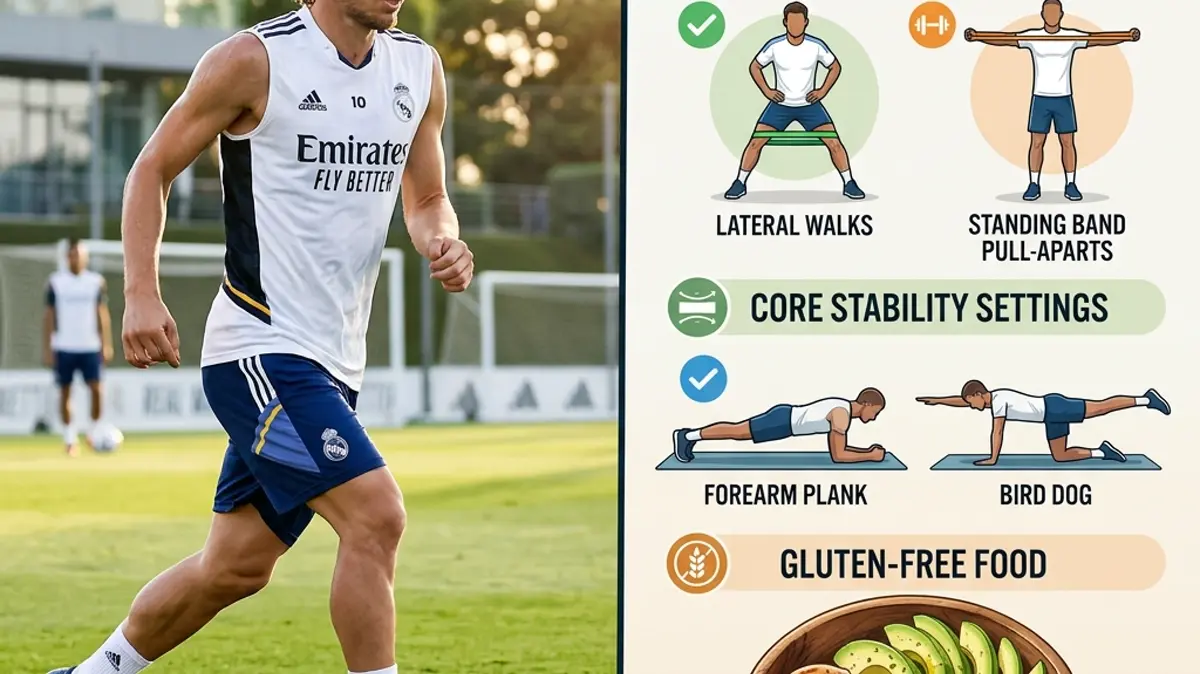
Luka Modrić's Daily Routine: Low-Impact Resistance Training and Midfield Longevity
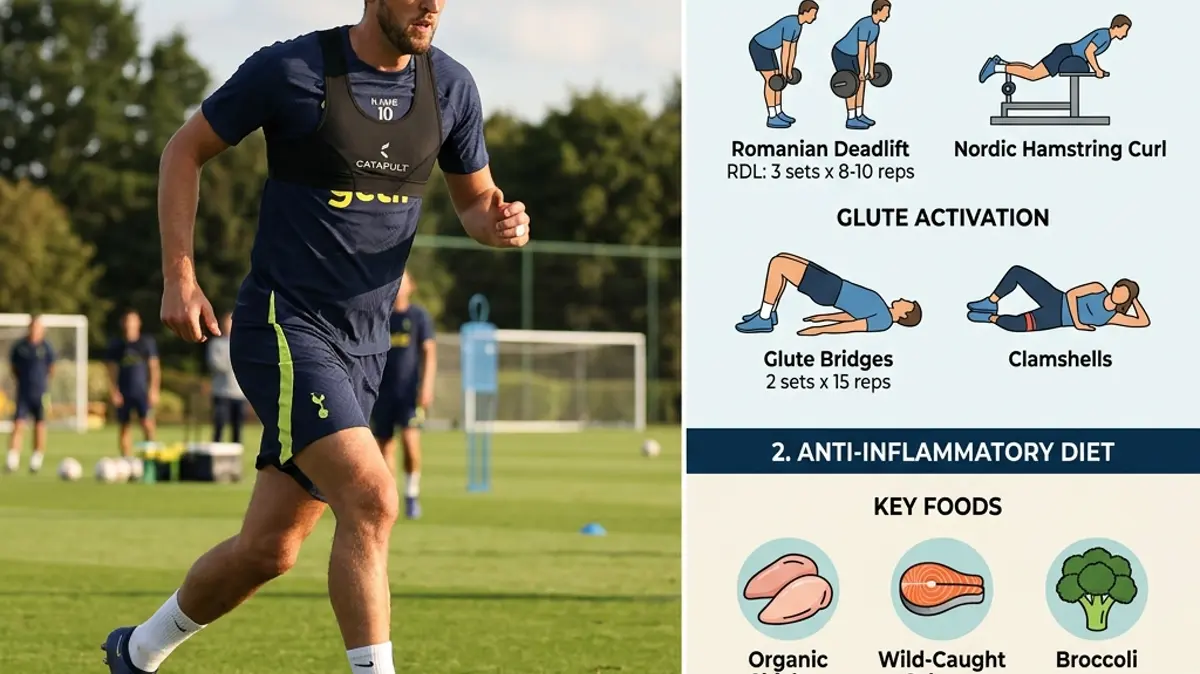
Harry Kane's Daily Routine: Hamstring Preservation and Anti-Inflammatory Nutrition