“A torn calf muscle is like snapping an overstretched guitar string under high tension, leaving a physical gap in the fibers. A severe cramp, conversely, is simply a tuning peg twisted far too tight—agonizing, but structurally intact.”
Emmy-winning Ted Lasso actress Hannah Waddingham recently revealed that she sustained a "gnarly" calf injury performing her own high-intensity stunts for the upcoming action-thriller series *Ride or Die*. Stunt work demands sudden, explosive deceleration and rapid pivoting—the absolute danger zone for lower leg mechanics.
For anyone who has ever felt a sudden, agonizing "pop" in the back of their leg while running for a bus, playing tennis, or simply jumping, her story sounds terrifyingly familiar.
In that blinding moment of pain, the immediate panic sets in: Is it just a severe, temporary cramp, or have you sustained a debilitating, long-term muscle tear? As a clinical physical therapist, I diagnose these exact injuries weekly. Understanding the difference between calf tear vs cramp requires looking past the pain and analyzing the physical integrity of the muscle tissue.
The Biomechanics of the "Pop": Gastrocnemius vs. Soleus
To understand what likely happened during Hannah's stunt sequence, we have to look at the anatomy of the "calf complex." Your calf is not a single muscle; it is a layered engine composed primarily of two distinct drivers:
- The Gastrocnemius: The large, superficial "two-headed" muscle that crosses both the knee and the ankle. It contains high-velocity, explosive fast-twitch fibers and is responsible for jumping and sprinting.
- The Soleus: The deeper, flatter muscle that lies underneath the Gastrocnemius. It only crosses the ankle and is primarily composed of slow-twitch endurance fibers, fundamental for standing and walking posture.
A classic torn calf muscle almost universally implicates the *Medial Gastrocnemius*, specifically at the "myotendinous junction" (where the muscle belly transitions into the Achilles tendon). This occurs during explosive "eccentric-to-concentric" transitions—such as landing from a stunt jump and immediately pushing off again. The muscle is simultaneously being pulled long while trying to forcefully contract, causing the fibers to mechanically fail.
The 'Struck by a Rock' Sensation
In a true mechanical tear (Grade II or III), patients almost always describe an auditory "snap" or a vivid sensation that someone has violently struck them in the back of the leg with a rock or a tennis ball. If you turned around expecting to see someone who kicked you, only to find no one there, you have sustained an acute mechanical structural failure, not a chemical cramp.
Diagnostic Check: Is It a Tear or a Severe Cramp?
If you are currently evaluating a sudden calf injury, review these critical clinical benchmarks:
1. The Duration and Release Timeline
A cramp (involuntary muscle spasm) is a chemical/electrical event often caused by fatigue, dehydration, or electrolyte imbalance. The pain is intense but temporary. If you gently stretch the toe toward your shin, a cramp will gradually release and dissipate within 2 to 10 minutes. A tear, being a structural physical break in the tissue, will not release with stretching; in fact, trying to stretch it will cause a sharp, protective stabbing pain.
2. Visual Presentation (Bruising and Swelling)
Because muscles are highly vascularized (rich in blood supply), tearing the fibers causes localized internal bleeding. Within 12 to 24 hours, a moderate-to-severe tear will display visible, dark bruising (ecchymosis) that often travels downward into the ankle and foot due to gravity. A cramp will never produce bruising or a visible, physical indentation in the calf complex.
3. Functional Loading (The Single-Leg Heel Raise)
Try to stand on your injured leg and lift your heel off the ground. If you cannot perform a single-leg heel raise due to a complete loss of mechanical leverage or excruciating pain, you have likely sustained a Grade II or Grade III gastrocnemius strain. An individual recovering from a bad cramp might feel sore, but their mechanical leverage remains intact.
The Clinical Test You Must Never Ignore
When assessing a severe "gnarly" lower leg injury, we must rule out the absolute worst-case scenario: a total rupture of the Achilles tendon. You can perform the Thompson Squeeze Test at home:
Lie face down on a bed with your feet hanging off the edge. Have someone firmly squeeze the thickest part of your calf muscle.
- Normal Response: The foot should automatically point downward (plantarflex) as the squeeze pulls on the tendon.
- Rupture Indicator: If the calf is squeezed and the foot does not move at all, the Achilles tendon is fully severed and requires immediate emergency orthopedic attention.
The Modern Protocol for Calf Tear Recovery
For decades, the standard advice was "RICE" (Rest, Ice, Compression, Elevation). Modern sports medicine has evolved beyond passive rest to the PEACE & LOVE protocol, which emphasizes Protected Loading.
Complete immobilization actually encourages weak, disorganized scar tissue to form across the tear, leaving the calf stiff and highly prone to re-injury. Instead, under clinical guidance, you should introduce gentle, pain-free range of motion as early as day 3 to align the new collagen fibers as they heal.
Whether you are a Hollywood actress performing action stunts or a weekend warrior, your calf complex is the primary propulsion engine of your body. Do not ignore the warning signs of structural failure. If your "cramp" has lasted more than a day, left a bruise, or stopped you from lifting your heel, book a clinical physical therapy assessment today to rebuild your foundation safely.
Featured image attribution: "Hannah Waddingham at Cannes 2025" by Harald Krichel / WikiPortraits, licensed under CC BY-SA 4.0. Modified by cropping and scaling.
Dr. Dhanushika Dilshani
Expert Ayurvedic Wellness Doctor. Specialized in modern holistic wellness, optimizing dermal resilience, cosmetic radiance, and systematic diagnosis driven by traditional and evidence-based medical logic.
Medical Disclaimer
The information provided by AyurPhysio is for general educational and informational purposes only. It is not intended as a substitute for professional medical advice, diagnosis, or treatment. Always seek the advice of your physician or other qualified health providers with any questions you may have regarding a medical condition. Never disregard professional medical advice or delay in seeking it because of something you have read on this website.
Trending Guides
Luka Modrić's Daily Routine: Low-Impact Resistance Training and Midfield Longevity
4 min readHarry Kane's Daily Routine: Hamstring Preservation and Anti-Inflammatory Nutrition
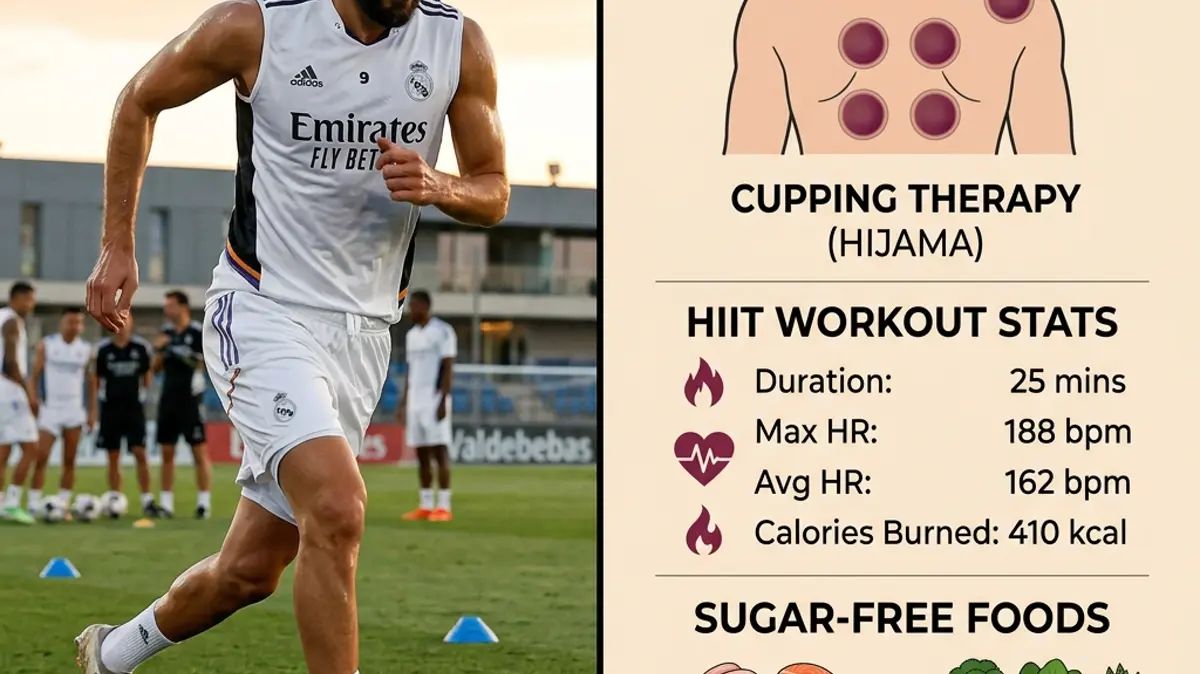
4 min readKarim Benzema's Daily Routine: Cupping Therapy (Hijama) and HIIT Conditioning
4 min readNeymar Jr.'s Daily Routine: Joint Stabilization and Hyperbaric Oxygen Therapy
4 min readMohamed Salah's Daily Routine: Early Morning Conditioning and Hyperbaric Recovery
4 min readWeekly Wellness
Don't miss the next guide
Get holistic health tips and new guides delivered to your inbox.
Related Healing Guides
View All Guides →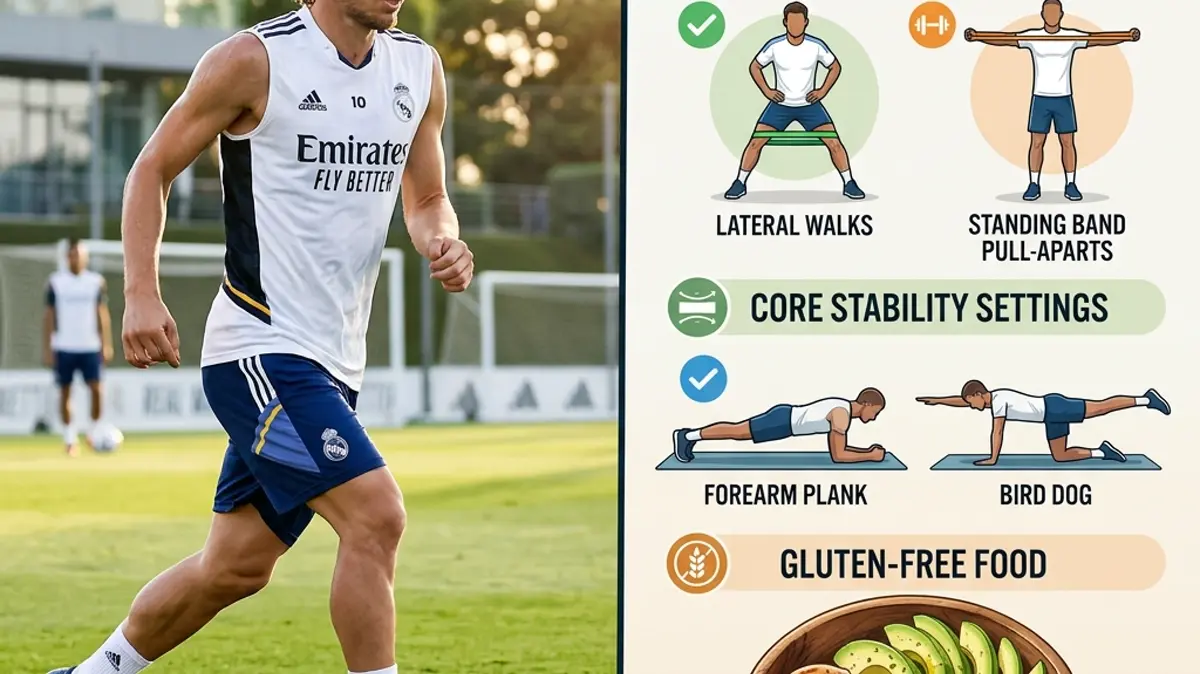
Luka Modrić's Daily Routine: Low-Impact Resistance Training and Midfield Longevity
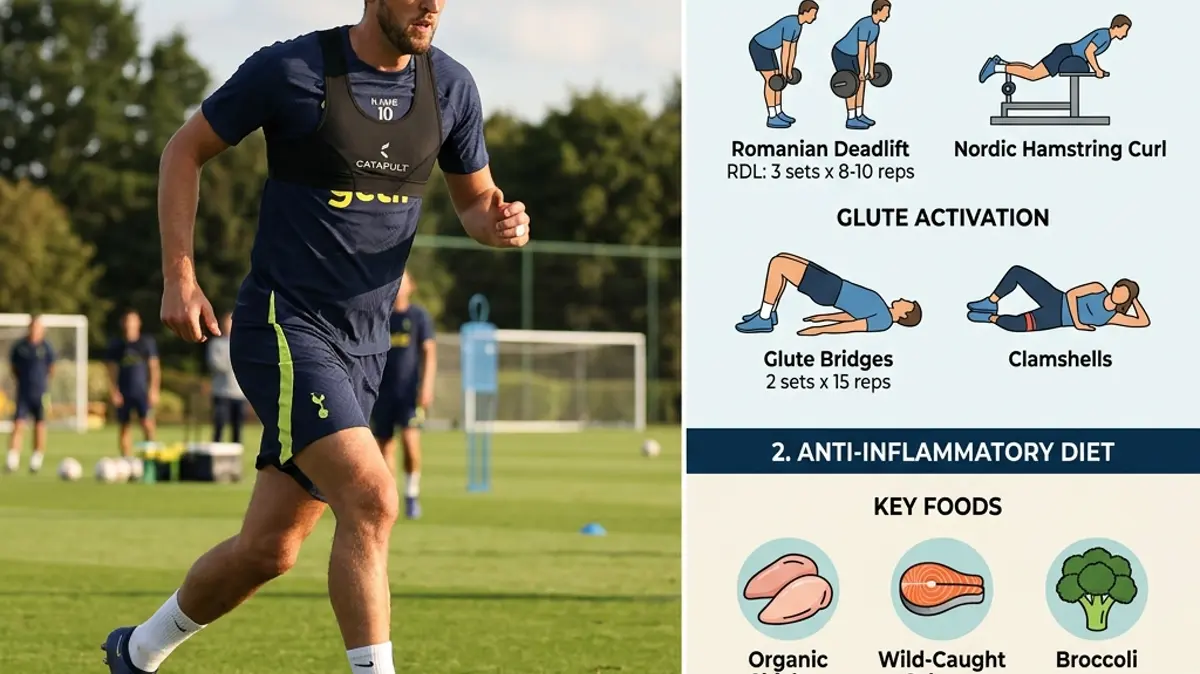
Harry Kane's Daily Routine: Hamstring Preservation and Anti-Inflammatory Nutrition