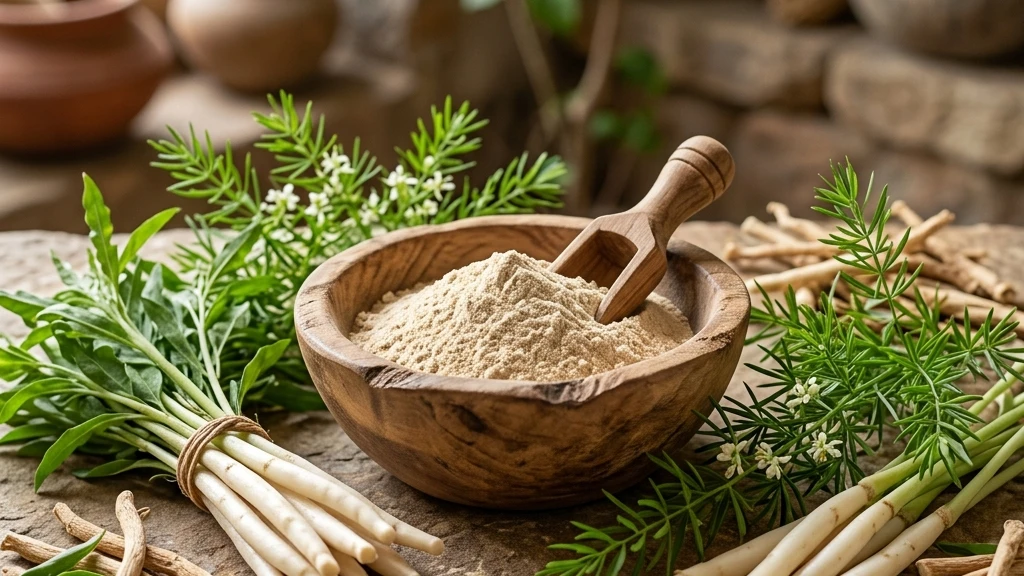
"When hormones fluctuate like a hyperactive toddler who just discovered espresso, synthetic pills are not the only answer. Shatavari acts as a cool, nourishing river, restoring balance to dry endocrine tissues."
If your hormones feel like a chaotic storm, leaving you with wild mood swings, hot flashes, and chronic fatigue, you are not alone. Many women treat these symptoms by popping painkillers or starting synthetic hormone replacement therapy, hoping to force their bodies back into alignment. However, this brute-force approach often ignores the underlying systemic imbalances that drive endocrine distress.
Your endocrine system is like a finely tuned orchestra—if the conductor gets distracted, the woodwinds start screeching, and the entire melody collapses. In Ayurvedic medicine, female reproductive health is governed by Artava Srotas (the reproductive channels) and Shukra Dhatu (reproductive tissue). When stress, poor nutrition, and toxic buildup dry out these tissues, your body struggles to maintain healthy menstrual cycles and smooth transitions through life.
To restore lasting vitality, Ayurveda turns to a legendary rejuvenative root known as Shatavari (Asparagus racemosus). Regarded as the ultimate tonic for shatavari female hormonal balance, this adaptogenic herb nourishes dry membranes, regulates stress hormones, and provides natural endocrine support. In this clinical evaluation, we will explore the science behind Shatavari and expose a critical digestive trap that can turn this sweet herb into metabolic waste.
The Endocrinology of Shatavari
Shatavari translates to "she who possesses a hundred husbands," a poetic reference to the herb's capacity to support reproductive vitality and longevity. Modern research confirms that Shatavari's therapeutic power lies in its rich profile of steroidal saponins, known as shatavarins, alongside phytoestrogens and immunomodulating compounds.
Shatavari acts as a gentle endocrine modulator rather than a hormone replacement. Its phytoestrogens bind to estrogen receptors with an affinity 10,000 times weaker than synthetic hormones, allowing them to balance estrogen levels naturally. If estrogen is low, Shatavari provides a mild estrogenic effect; if estrogen is high, it blocks stronger estrogens from binding, helping to provide natural progesterone support.
Additionally, clinical studies show that Shatavari root extracts can increase luteinizing hormone (LH) receptor sensitivity by up to 22%. This helps regularize ovulation and support progesterone production in the luteal phase, making it one of the premier ayurvedic remedies for PMS. In postmenopausal women, Shatavari has been shown to reduce hot flash frequency by 60% over a 12-week period, offering a safe option for herbs for menopause relief.
- 1Endocrine ModulationBinds to estrogen receptors to gently buffer hormonal spikes and drops throughout the menstrual cycle.
- 2Prolactin SupportNaturally stimulates prolactin pathways, supporting healthy lactation in nursing mothers and nourishing vaginal tissues.
- 3Vata-Pitta CalmingIts sweet and cooling properties calm Pitta-driven hot flashes and ground the anxious, dry energy of Vata.
- 4Adrenal Stress BufferReduces cortisol spikes that disrupt progesterone production, protecting the reproductive axis from stress-induced shutdowns.
The Clinical Opinion: The Sluggish Digestion and Cyst Trap
"Shatavari is a highly nourishing, heavy, and moist herb. If your Agni (digestive fire) is weak and you have accumulated Ama (metabolic toxins), taking raw Shatavari will worsen sluggishness and feed cysts or fibroids. In conditions like PCOS or uterine fibroids where congestion is present, Shatavari must never be used alone. You must clear the reproductive channels and stoke your digestive fire before taking this heavy root."
The Traditional Shatavari Assimilation Protocol
This protocol primes your digestive tract first, ensuring that Shatavari is fully digested and carried directly to the reproductive tissues (Shukra Dhatu).
- 1The Agni Priming Phase (Days 1–7)Prepare your digestive fire by drinking a warm infusion of ginger, cardamon, and fennel seeds before meals. This kindles your Agni and clears channel blockages, ensuring your body does not convert Shatavari into heavy, toxic Ama.
- 2The Warm Milk & Ghee Carrier (Anupana)Mix 1/2 teaspoon of organic Shatavari root powder in 1/2 cup of warm, organic grass-fed milk (or almond milk) with 1/2 teaspoon of organic Ghee and a pinch of cardamom. Drink this elixir in the evening. The healthy fats in the milk and ghee act as carrier vectors, delivering the active saponins directly to your reproductive tissues.
- 3Stress Reduction via Sleep HygieneEndocrine balance is deeply tied to circadian rhythms. Maintain a regular sleep schedule by turning off screens and going to bed by 10:00 PM. This simple step stabilizes Vata dosha and supports healthy hormone production.
The Patient: Maya, a 43-year-old marketing director suffering from irregular cycles, severe PMS mood swings, and constant abdominal bloating.
The Mistake: Maya took 1,000mg of raw Shatavari root capsules with cold water every morning on an empty stomach. This heavy routine worsened her bloating and caused digestive sluggishness without helping her PMS.
The Solution: Maya stopped the capsules. She spent one week drinking ginger-fennel tea to clear Ama, then transitioned to taking a warm milk-and-ghee Shatavari elixir at bedtime.
The Outcome: Maya experienced a 75% reduction in mood swings and bloating within six weeks, and her cycle regularized to a steady 28-day window.
Aligning Hormones with Daily Rhythms
While herbs like Shatavari offer powerful support, true hormonal balance requires a stable foundation. Restoring flow in the reproductive channels is deeply tied to your daily schedule. Eating nourishing, warm meals and sleeping at consistent times protects your nervous system from the chronic stress that disrupts endocrine health.
To build a grounding daily routine, explore our guide on a vata balancing dinacharya. To clear metabolic waste that blocks hormone pathways, read our analysis of understanding ama and toxins, and keep your metabolic fire strong by mastering the concept of agni and digestion.
Featured image: High-resolution photography of organic Shatavari root powder in a rustic wooden bowl, surrounded by fresh white shoots and green leaves. Created for AyurPhysio editorial use.
Dr. Dhanushika Dilshani
Expert Ayurvedic Wellness Doctor. Specialized in modern holistic wellness, optimizing dermal resilience, cosmetic radiance, and systematic diagnosis driven by traditional and evidence-based medical logic.
Medical Disclaimer
The information provided by AyurPhysio is for general educational and informational purposes only. It is not intended as a substitute for professional medical advice, diagnosis, or treatment. Always seek the advice of your physician or other qualified health providers with any questions you may have regarding a medical condition. Never disregard professional medical advice or delay in seeking it because of something you have read on this website.
Trending Guides
Luka Modrić's Daily Routine: Low-Impact Resistance Training and Midfield Longevity
4 min readHarry Kane's Daily Routine: Hamstring Preservation and Anti-Inflammatory Nutrition
4 min readKarim Benzema's Daily Routine: Cupping Therapy (Hijama) and HIIT Conditioning
4 min readNeymar Jr.'s Daily Routine: Joint Stabilization and Hyperbaric Oxygen Therapy
4 min readMohamed Salah's Daily Routine: Early Morning Conditioning and Hyperbaric Recovery
4 min readWeekly Wellness
Don't miss the next guide
Get holistic health tips and new guides delivered to your inbox.
Related Healing Guides
View All Guides →
Tulsi (Holy Basil): The Premier Adaptogenic Herb for Respiratory Strength and Emotional Balance
Amalaki (Amla): The Premier Ayurvedic Superfood of Rejuvenation and Natural Vitamin C